Adenomyosis is a lesser-known but increasingly common gynecological condition that affects countless women in their reproductive years. Despite its prevalence, many women remain unaware of its existence until symptoms begin to significantly disrupt daily life. At Karthika Women and Child Care in Bangalore, we understand the complexities of women’s reproductive health and are committed to offering comprehensive care, support, and advanced treatment options for conditions.
In this article, we explore this in depth—its causes, symptoms, diagnosis, and treatments—while also emphasizing the importance of specialized gynecological care in Bangalore.
What is Adenomyosis?
It is a condition where the inner lining of the uterus (endometrium) breaks through the muscular wall of the uterus (myometrium). This causes the uterus to become enlarged and often results in painful, heavy periods, chronic pelvic discomfort, and sometimes fertility issues. Unlike endometriosis, where endometrial tissue grows outside the uterus, adenomyosis stays within the uterine walls but still leads to similar distress.
Causes and Risk Factor
While the exact cause of it remains unclear, several factors have been associated with its development:
- Hormonal Imbalance: Estrogen plays a major role in the condition, and adenomyosis often diminishes after menopause.
- Childbirth: Women who have had one or more pregnancies may be at a higher risk.
- Age: Most cases are diagnosed in women aged 30–50 years, though younger women can also be affected.
- Uterine Surgery: Surgeries like C-sections or fibroid removal may increase the risk.
- Inflammation: Chronic inflammation of the uterine lining can contribute to the abnormal migration of cells.
At Karthika Women and Child Care, our experienced gynecologists conduct thorough evaluations to identify such risk factors and help with early detection and prevention strategies.
Common Symptoms of Adenomyosis
Symptoms of this is vary in severity and can often be mistaken for other menstrual or uterine conditions like fibroids or endometriosis. Some of the most common symptoms include:
- Heavy or prolonged menstrual bleeding (menorrhagia)
- Severe menstrual cramps (dysmenorrhea)
- Chronic pelvic pain
- Painful intercourse (dyspareunia)
- Enlarged, tender uterus
- Bloating or abdominal pressure
- Infertility or difficulty conceiving
If you experience any of these symptoms, especially if they disrupt your quality of life, consult a women’s health specialist at Karthika Women and Child Care, Bangalore. Early intervention can lead to better treatment outcomes.
Diagnosis of Adenomyosis
It can be challenging to diagnose because its symptoms mimic other reproductive disorders. However, modern imaging techniques and a careful medical history can help in its identification.
- Pelvic Exam: A doctor may feel an enlarged or tender uterus during a manual exam.
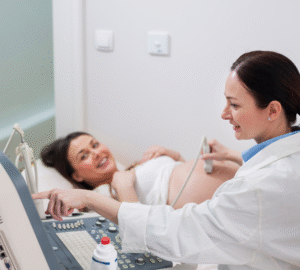
- Ultrasound: A transvaginal ultrasound can detect changes in the uterine wall consistent.
- MRI (Magnetic Resonance Imaging): This provides a clearer and more detailed view, especially in complicated cases.
- Endometrial Biopsy: Though not definitive, it may help rule out other conditions.
At Karthika Women and Child Care, we use state-of-the-art diagnostic tools to ensure accurate and early detection, leading to tailored treatment plans for every patient.
Adenomyosis vs. Endometriosis: Understanding the Difference
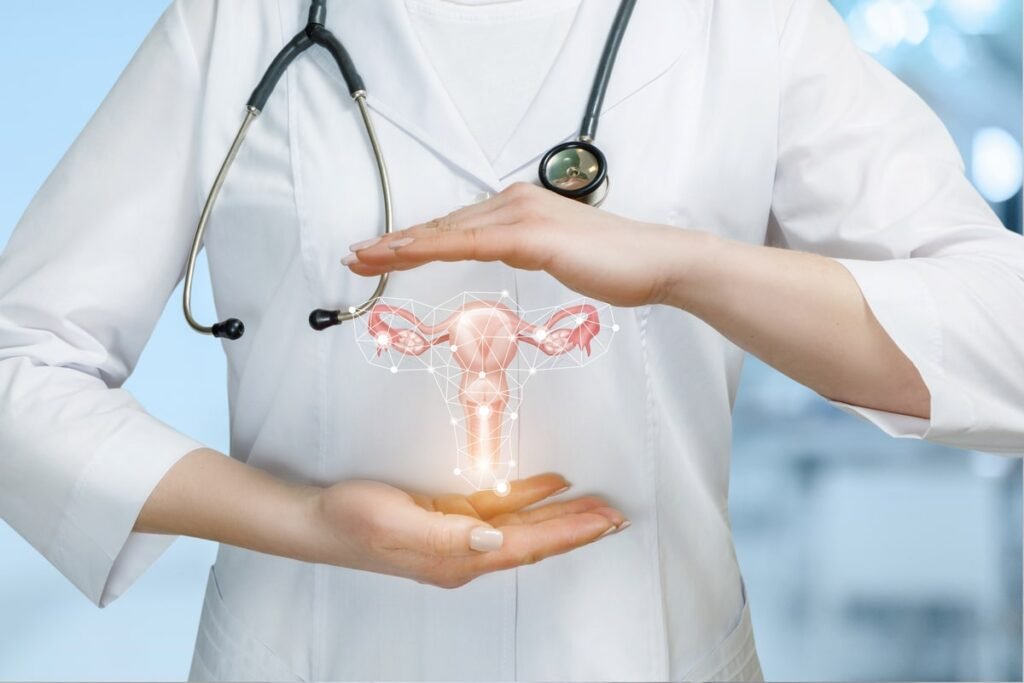
Many women confuse this, as both involve abnormal endometrial tissue growth. However, the key differences include:
- Location:It occurs within the uterine muscle, while endometriosis occurs outside the uterus.
- Symptoms: Both cause pelvic pain, but adenomyosis often leads to heavier bleeding.
- Treatment Approach: The two conditions may require different treatment strategies.
Knowing the difference is essential, and at Karthika Women and Child Care, our specialists help patients understand and manage both conditions effectively.
Treatment Options for Adenomyosis
It depends on factors such as symptom severity, age, and whether the patient wishes to retain fertility. At Karthika Women and Child Care, Bangalore, we offer personalized treatment approaches including:
1. Medications
- Nonsteroidal Anti-inflammatory Drugs (NSAIDs): Help reduce pain and inflammation.
- Hormonal Therapy: Birth control pills, IUDs (like Mirena), or GnRH agonists can help control symptoms.
- Tranexamic Acid: Used to reduce heavy menstrual bleeding.
2. Minimally Invasive Procedures
- Uterine Artery Embolization (UAE): Cuts off blood supply to the affected area.
- Endometrial Ablation: Destroys the endometrial lining to reduce bleeding (not suitable for women wanting children).
3. Surgical Options
- Hysterectomy: Complete removal of the uterus, often considered the only definitive cure, especially for women who are done with childbearing.
Our gynecological surgery experts in Bangalore at Karthika Women and Child Care specialize in minimally invasive laparoscopic procedures, which ensure faster recovery, minimal pain, and better outcomes.
Adenomyosis and Fertility: What You Need to Know
One of the most distressing aspects of this for many women is its potential impact on fertility. The condition can:
- Interfere with embryo implantation
- Cause changes in the uterine environment
- Lead to early miscarriage
However, many women with adenomyosis do go on to conceive successfully. At Karthika Women and Child Care, our fertility specialists in Bangalore assess each patient’s condition in detail and recommend fertility-preserving treatments and options like IUI (Intrauterine Insemination) or IVF (In Vitro Fertilization), if needed.
Managing Adenomyosis Naturally
While medical treatment is often essential, some lifestyle changes and natural remedies may help alleviate mild symptoms:
- Regular exercise to reduce pelvic pain
- Anti-inflammatory diet rich in omega-3s, leafy greens, and antioxidants
- Stress reduction techniques like yoga, meditation, and mindfulness
- Heat therapy using warm compresses for menstrual cramps
Our care team at Karthika Women and Child Care offers holistic support, including nutritional counseling, physiotherapy, and mental wellness guidance, to manage adenomyosis effectively.
Why Choose Karthika Women and Child Care, Bangalore?
When dealing with a complex condition, it’s important to be under the care of trusted and experienced professionals. Here’s why Karthika Women and Child Care is your best choice in Bangalore:
- Expert Gynecologists: Specialized in managing adenomyosis, endometriosis, fibroids, and more.
- Comprehensive Diagnostics: From imaging to pathology, all under one roof.
- Patient-Centric Approach: We focus on your comfort, fertility goals, and long-term health.
- Minimally Invasive Treatment Options: Quick recovery and less pain.
- Empathetic Care: We understand the emotional and physical toll of chronic reproductive health conditions.
Advanced Fertility Support: Personalized care for women facing fertility challenges due to adenomyosis.
Final Thoughts
It is a manageable condition when diagnosed early and treated appropriately. With the right medical care, women can lead full, healthy, and pain-free lives. If you or someone you know is struggling with symptoms like heavy periods, pelvic pain, or unexplained infertility, don’t hesitate to seek expert care.
At Karthika Women and Child Care, Bangalore, we are dedicated to women’s reproductive wellness at every stage of life. From advanced gynecological care to fertility solutions, we are here to support your journey.
Book an Appointment Today
📍 Visit us at HRBR layout Sahakaranagar Bengaluru
📞 Call: +91 99728 99728
🌐 Website: info@karthikawomanandchildcare.in
🕒 Timings: Mon–Sat, 10:00 AM – 5:00 PM