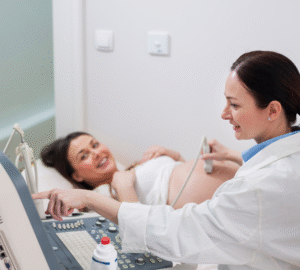
Pregnancy is a transformative journey, and for women with Polycystic Ovary Syndrome (PCOS), it can bring unique shifts in their health landscape. Many women wonder, “What happens to my PCOS after pregnancy?” or “Will my symptoms improve or worsen?” The truth is, the postpartum period can indeed alter the presentation of PCOS, sometimes for the better, sometimes introducing new challenges. Navigating PCOS after pregnancy requires understanding these changes and adopting tailored management strategies.
This in-depth guide is designed to empower you with knowledge, offering insights into the hormonal rollercoaster, potential symptom shifts, and effective ways to manage your health in this new phase of life. Whether you’re experiencing a remission of symptoms, a flare-up, or entirely new concerns, we’re here to help you understand and thrive with PCOS after pregnancy.
Understanding PCOS: A Quick Recap
Polycystic Ovary Syndrome (PCOS) is a common hormonal disorder affecting millions of women worldwide. Characterized by a combination of irregular periods, excess androgen (male hormone) levels leading to symptoms like hirsutism (excess body hair) and acne, and polycystic ovaries (multiple small cysts on the ovaries), PCOS impacts various bodily systems. Insulin resistance, often a key driver, can exacerbate many of these symptoms and increase the risk of conditions like type 2 diabetes and cardiovascular disease. Pregnancy itself can temporarily mask or alter these symptoms, leading many to question what to expect when managing PCOS after pregnancy.
The Post-Pregnancy Hormonal Landscape
The postpartum period is marked by dramatic hormonal shifts. Estrogen and progesterone, which soared during pregnancy, plummet rapidly after birth. Prolactin levels rise, especially if you’re breastfeeding, to support milk production. These fluctuations can significantly impact how PCOS manifests:
- Estrogen and Progesterone Drop: This rapid decrease can sometimes trigger a return or worsening of androgen-related symptoms if they were suppressed during pregnancy.
- Prolactin’s Role: High prolactin levels during breastfeeding can suppress ovulation, potentially mimicking or interacting with PCOS’s anovulatory cycles. However, some women report improved insulin sensitivity during breastfeeding, which can be beneficial for PCOS.
- Thyroid Changes: Postpartum thyroiditis is not uncommon and can present symptoms similar to or worsen PCOS symptoms like fatigue, weight changes, and mood disturbances.
Key Changes in PCOS Symptoms After Pregnancy
It’s crucial to be aware that your body’s response to PCOS after pregnancy may not be the same as before. Here’s a breakdown of common changes:
Menstrual Cycles & Fertility
- Return of Irregularity: While some women with PCOS experience more regular periods shortly after childbirth, this is often temporary. Once breastfeeding ceases or hormones stabilize, irregular cycles often return.
- Anovulation: The core issue of infrequent or absent ovulation (anovulation) typically persists, meaning fertility challenges can re-emerge for those wishing to conceive again.
- Postpartum Amenorrhea: Extended absence of menstruation (beyond typical postpartum duration) can be more common in women with PCOS, especially if breastfeeding is prolonged.
Weight Management Challenges
Many women gain weight during pregnancy, and losing it can be particularly difficult with PCOS after pregnancy. Insulin resistance, a common underlying factor in PCOS, makes weight loss challenging:
- Metabolic Slowdown: Postpartum bodies are recovering, and metabolism might be slower.
- Sleep Deprivation & Stress: New parenthood is exhausting, and lack of sleep combined with stress can increase cortisol levels, promoting fat storage, especially around the abdomen.
- Dietary Habits: The convenience of quick, often processed, foods can become a go-to for busy new mothers, impacting blood sugar control.
Skin & Hair Concerns
Fluctuating hormones can lead to a resurgence or worsening of androgen-related symptoms:
- Acne: Postpartum acne breakouts are common, and PCOS can make them more severe or persistent.
- Hirsutism: Excess facial or body hair might return or intensify as androgen levels normalize after pregnancy.
- Hair Loss (Androgenic Alopecia): While common postpartum hair shedding is normal, women with PCOS may experience more pronounced or persistent hair thinning due to androgenic effects.
Mood & Mental Health
The transition to motherhood is emotionally charged. Women with PCOS are already at a higher risk for mood disorders, and this risk is amplified postpartum:
- Postpartum Depression (PPD) & Anxiety: Hormonal shifts, sleep deprivation, and the demands of a newborn can trigger or worsen PPD and anxiety. PCOS may contribute to this vulnerability.
- Fatigue & Brain Fog: These symptoms can be both a part of PCOS and the postpartum experience, making daily functioning more challenging.
Insulin Resistance & Metabolic Health
Pregnancy can be a stress test for a woman’s metabolism, especially if she had gestational diabetes. The risk of developing type 2 diabetes later in life is higher for women with PCOS, particularly if they experienced gestational diabetes:
- Persistent Insulin Resistance: This can lead to difficulties in weight management and increased risk for metabolic complications. Regular monitoring of blood sugar levels is important.
- Cardiovascular Health: Long-term management of insulin resistance is crucial for reducing future cardiovascular risks.
Strategies for Managing PCOS After Pregnancy
Effective management of PCOS after pregnancy involves a holistic approach, blending lifestyle changes, medical guidance, and robust support systems. Remember, every woman’s journey is unique, and personalized care is key.
Lifestyle Modifications: The Cornerstone
These strategies are fundamental for managing PCOS at any stage, but become particularly vital in the postpartum period.
Diet & Nutrition
Focus on an anti-inflammatory, low-glycemic diet to help manage insulin resistance and support overall well-being.
- Whole Foods Focus: Prioritize fruits, vegetables, lean proteins, and healthy fats. Limit processed foods, refined sugars, and excessive carbohydrates. Consider consulting a dietitian specializing in PCOS diet for a personalized plan.
- Balanced Meals: Combine protein, healthy fats, and fiber at each meal to stabilize blood sugar and maintain satiety.
- Hydration: Drink plenty of water throughout the day, especially if breastfeeding.
- Mindful Eating: Pay attention to hunger and fullness cues. Eating slowly can improve digestion and satisfaction.
Exercise & Physical Activity
Once cleared by your healthcare provider, gradually reintroduce physical activity. Exercise is a powerful tool for improving insulin sensitivity and mood.
- Start Gentle: Begin with walks, pelvic floor exercises, and gentle stretching.
- Incorporate Strength Training: Building muscle mass can significantly improve insulin sensitivity.
- Find What You Enjoy: Consistency is key. Whether it’s yoga, dancing, or group fitness, choose activities you can stick with. For more ideas, explore PCOS-friendly exercise routines.
Stress Management & Sleep
New parenthood is inherently stressful, but managing stress is crucial for PCOS.
- Prioritize Sleep: Sleep deprivation worsens insulin resistance and cravings. “Sleep when the baby sleeps” is cliché but important. Seek support from your partner, family, or friends.
- Mindfulness & Relaxation: Incorporate short meditation sessions, deep breathing exercises, or gentle stretching into your day.
- Delegate & Ask for Help: Don’t try to do it all. Allow others to assist with household chores, cooking, or childcare.
Medical & Pharmaceutical Interventions
Your healthcare provider can offer significant support in managing PCOS after pregnancy.
- Medication Review: Discuss your current medications. Metformin, often prescribed for insulin resistance, may be reintroduced or continued. Oral contraceptives might be an option for regulating periods and managing androgen-related symptoms if you are not planning another pregnancy soon.
- Regular Check-ups: Schedule follow-up appointments with your endocrinologist or gynecologist to monitor hormone levels, insulin resistance, and overall health.
- Mental Health Support: Don’t hesitate to seek therapy or counseling if you’re struggling with mood disorders.
Breastfeeding & PCOS
Breastfeeding can have a complex relationship with PCOS. While it can offer benefits, it’s not a cure.
- Potential Benefits: Some studies suggest breastfeeding may improve insulin sensitivity, aid in postpartum weight loss (though not universally), and potentially delay the return of ovulation.
- Challenges: Some women with PCOS may face difficulties with milk supply due to hormonal imbalances. If you experience this, consult with a lactation consultant and your doctor.
- Monitoring: Continue to monitor your symptoms and work with your healthcare team, as breastfeeding effects can vary.
Building Your Support System
You don’t have to navigate PCOS after pregnancy alone.
- Family & Friends: Communicate your needs and ask for practical and emotional support.
- Support Groups: Connecting with other women who understand PCOS and motherhood can be incredibly empowering.
- Healthcare Team: A team including your OB/GYN, endocrinologist, dietitian, and therapist can provide comprehensive care.
When to Seek Professional Help
It’s important to seek professional medical advice if you experience any of the following:
- Worsening or new severe PCOS symptoms.
- Persistent difficulties with weight loss despite consistent effort.
- Signs of postpartum depression or anxiety that interfere with daily life.
- Concerns about fertility if you’re trying to conceive again.
- New or worsening metabolic issues, such as elevated blood sugar.
- If you have any doubts or questions about managing your health postpartum.
Frequently Asked Questions (FAQs)
1. Does PCOS go away after pregnancy?
No, PCOS does not typically “go away” after pregnancy. While some women report temporary improvements or changes in symptoms during pregnancy or the immediate postpartum period, PCOS is a chronic condition. Hormonal shifts after birth can alter how symptoms manifest, but the underlying hormonal and metabolic imbalances usually persist. Management strategies will likely be needed long-term.
2. Can PCOS symptoms change after birth?
Absolutely. Many women experience a shift in their PCOS symptoms after birth. Some might find their periods become more regular for a time, while others notice a resurgence or intensification of symptoms like acne, hirsutism, or weight gain. Mood swings and fatigue might also feel more pronounced due to the combined effects of PCOS and new motherhood. It’s essential to monitor your body and discuss any significant changes with your doctor.
3. Is it harder to lose weight with PCOS after pregnancy?
For many women with PCOS, losing pregnancy weight can be particularly challenging due to underlying insulin resistance, hormonal imbalances, and the added stress and sleep deprivation of new parenthood. These factors can make it harder for the body to burn fat and easier to store it. A personalized approach combining a low-glycemic diet, regular exercise, and stress management is often recommended.
4. How does breastfeeding affect PCOS?
The relationship between breastfeeding and PCOS is complex and varies among individuals. Some studies suggest that breastfeeding may help improve insulin sensitivity and support postpartum weight loss in women with PCOS. However, others may experience challenges with milk supply due to hormonal issues. While breastfeeding can delay the return of menstruation, it does not cure PCOS. Consult a lactation consultant and your doctor if you have concerns about breastfeeding with PCOS.
5. What are the common treatments for PCOS postpartum?
Treatment for PCOS postpartum largely focuses on managing symptoms and improving metabolic health, similar to pre-pregnancy strategies but often adapted for the postpartum period. This includes lifestyle modifications like a healthy, balanced diet, regular exercise, and stress management. Medications such as Metformin for insulin resistance, or oral contraceptives (if not planning another pregnancy) for regulating periods and androgen symptoms, may be prescribed. Your doctor will tailor a treatment plan based on your specific symptoms and needs.
Conclusion: Embracing Your Journey
Navigating PCOS after pregnancy is a unique and often challenging journey, but it’s one you don’t have to face alone. By understanding the hormonal shifts, anticipating potential changes in symptoms, and proactively implementing management strategies, you can take control of your health. Prioritize self-care, build a strong support system, and work closely with your healthcare team to create a personalized plan.
Remember that your body has accomplished an incredible feat, and now it deserves nurturing and informed care. With dedication and the right resources, you can not only manage your PCOS effectively but also thrive as a new parent. For more insights and resources on managing chronic conditions, visit our health resources page.
Hear From Our Readers
“This article was incredibly insightful. I’ve been struggling with my PCOS symptoms after pregnancy, and this guide gave me practical steps and the reassurance I needed. Especially helpful were the sections on diet and stress management.”
– Sarah K., New Mom & PCOS Warrior
“As someone who found conceiving with PCOS challenging, I was anxious about what ‘PCOS after pregnancy’ would look like. This comprehensive breakdown of changes and management options is a lifesaver. Thank you!”
– Emily R., First-time Mother
Author:
Dr.Divya Venugopalan — Obstetrics & Gynecology Specialist experienced in caring for women through every stage: adolescence, pregnancy, menopause. Passionate about trustworthy, compassionate health care.
Website: karthikawomanandchildcare.in
Call: +91 99459 26987