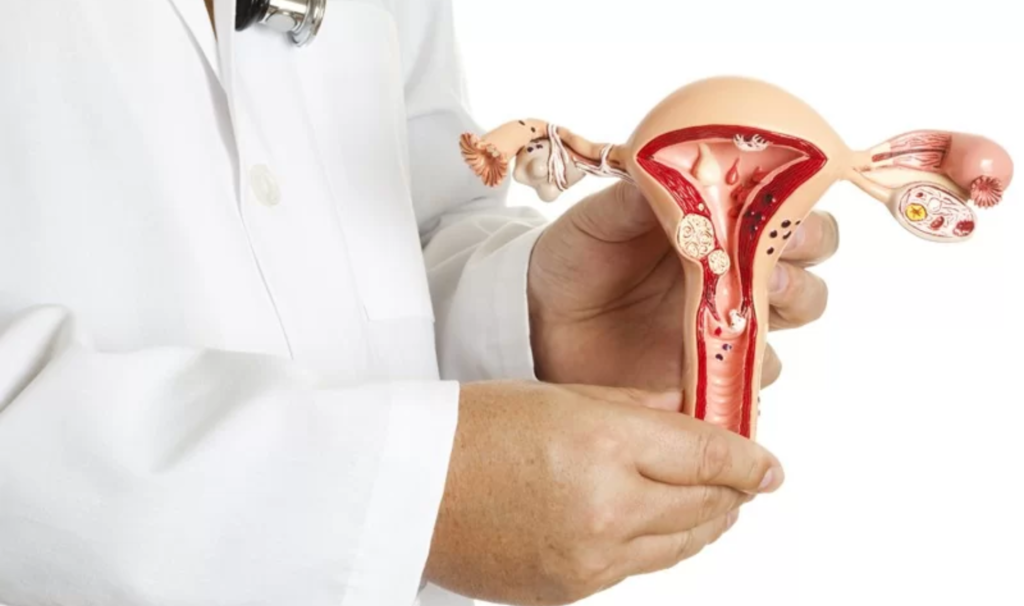
When you think of a heavy period, do you imagine just a couple of “extra” pads a day? For women living with adenomyosis, “heavy” can mean something entirely different. It’s the kind of bleeding that keeps you from leaving the house, the kind that leads to severe anemia, and the sharp, dragging pain that makes daily life feel like an uphill battle.
At Karthika Woman and Childcare, we see women every day who have been told that painful, heavy periods are just “part of being a woman.” We are here to tell you: they aren’t.
If you are dealing with debilitating cycles, you might be dealing with adenomyosis—a condition that is often called the “evil twin” of endometriosis but is a unique medical challenge in its own right. In this guide, we’ll explore the causes, the symptoms, and the modern management strategies that can help you reclaim your quality of life.
What Exactly is Adenomyosis?
To understand adenomyosis, think of your uterus as having a lining (the endometrium) and a muscular wall (the myometrium). In a healthy cycle, the lining stays on the inside.
With adenomyosis, that lining starts to infiltrate and grow into the muscular wall of the uterus. Every month, as your hormones signal your lining to bleed, these misplaced tissues inside the muscle wall bleed too. Because the blood has nowhere to go, the muscle becomes inflamed, scarred, and “boggy.” This often causes the uterus to double or even triple in size.
What Exactly is Adenomyosis?
When you think of a heavy period, do you imagine just a couple of “extra” pads a day? For women living with adenomyosis, “heavy” can mean something entirely different. It’s the kind of bleeding that keeps you from leaving the house, the kind that leads to severe anemia, and the sharp, dragging pain that makes daily life feel like an uphill battle.
At Karthika Woman and Childcare, we see women every day who have been told that painful, heavy periods are just “part of being a woman.” We are here to tell you: they aren’t.
If you are dealing with debilitating cycles, you might be dealing with adenomyosis—a condition that is often called the “evil twin” of endometriosis but is a unique medical challenge in its own right. In this guide, we’ll explore the causes, the symptoms, and the modern management strategies that can help you reclaim your quality of life.
Heavy Bleeding and Adenomyosis: The Connection
Why does adenomyosis lead to such intense blood loss? There are three main reasons:
- Increased Surface Area: As the uterus grows larger (the “bulky uterus”), there is more lining to shed, leading to higher volumes of blood.
- Impaired Contractions: Normally, the uterine muscle contracts to “pinch off” blood vessels during a period. In adenomyosis, the muscle is stiff and inflamed, so it can’t contract effectively to stop the flow.
- High Prostaglandins: The body produces more inflammatory chemicals (prostaglandins) which dilate blood vessels and increase bleeding.
Identifying the Symptoms: Is This You?
Adenomyosis is most common in women between the ages of 35 and 50, particularly those who have had children. However, we are increasingly diagnosing it in younger women as well.
- Menorrhagia: Extremely heavy bleeding, often with large clots.
- Dysmenorrhea: Intense, knife-like cramping that begins a few days before your period.
- “Adeno Belly”: Chronic bloating or a feeling of heaviness and pressure in the lower abdomen.
- Painful Intercourse: Deep pelvic pain during or after intimacy.
- Chronic Fatigue: Often a result of iron-deficiency anemia due to blood loss.
Causes and Risk Factors
While doctors are still pinpointing the exact “why,” several factors seem to trigger the migration of cells into the uterine wall:
- Hormonal Imbalance: High levels of estrogen can drive the growth of adenomyotic tissue.
- Uterine Trauma: Previous surgeries like C-sections, D&C (dilation and curettage), or fibroid removal may create “pathways” for the lining to enter the muscle.
- Inflammation: Chronic inflammation in the uterine lining after childbirth or infection may play a role.
Modern Management: How to Overcome the Flow
Living with adenomyosis doesn’t have to mean living in pain. At Karthika Woman and Childcare, we take a tiered approach to management, focusing on your specific goals—whether that is fertility preservation or permanent relief.
1. Medical Management (Non-Surgical)
- Hormonal IUD (Mirena): This is often the gold standard. It releases a small amount of progestin directly into the uterus, thinning the lining and significantly reducing bleeding.
- Oral Contraceptives: Regulating hormones can help lighten the flow and manage the “estrogen spikes.”
- Tranexamic Acid: A non-hormonal pill taken only during your period to help blood clot more effectively.
- GnRH Agonists: These medications temporarily put the body into a “mini-menopause” to shrink the adenomyosis and provide relief.
2. Specialized Diet and Lifestyle
While diet won’t “cure” the condition, an anti-inflammatory lifestyle can reduce the severity of symptoms:
- The “Anti-Inflammatory” Plate: Focus on Omega-3 fatty acids (fatty fish, walnuts), leafy greens, and berries to lower prostaglandin levels.
- Avoid Triggers: Limit caffeine, alcohol, and high-sugar foods, which can worsen inflammation and pelvic congestion.
- Magnesium Supplements: Known to help relax smooth muscles and ease cramping.
3. Advanced Surgical Options
- Uterine Artery Embolization (UAE): A minimally invasive procedure that cuts off the blood supply to the adenomyotic areas.
- Hysterectomy: For women who have completed their families and have severe symptoms, a hysterectomy is the only definitive cure. Thanks to modern laparoscopy, this is now a minimally invasive “keyhole” surgery with a quick recovery.
Frequently Asked Questions
1. Is adenomyosis the same as endometriosis?
2. Can I get pregnant with adenomyosis?
3. Does adenomyosis go away after menopause?
How to Change my Photo from Admin Dashboard?
4. How is adenomyosis diagnosed?
5. Can exercise help with adenomyosis pain?
Our Editorial Policy: Why Trust Us?
At Karthika Woman and Childcare, our content is rooted in clinical excellence. We bridge the gap between complex medical data and patient-friendly advice. Our editorial team utilizes the latest research from global gynecological societies (ACOG, FIGO) and balances it with the real-world experiences of the thousands of women we treat. We believe in transparency, evidence-based medicine, and empowering you to be an active participant in your health journey.
Your Path to Pelvic Health Starts Here
You don’t have to “just live” with heavy bleeding and pain. Whether you need an accurate diagnosis or a second opinion on your treatment plan, our team is ready to help.
Contact Karthika Woman and Childcare
- Address: Thanisandra Main Road Sahakar Nagar,Bangalore
- Phone: +919945926987
- Email:info@karthikawomanandchildcare.in
- Website: karthikawomanandchildcare.in