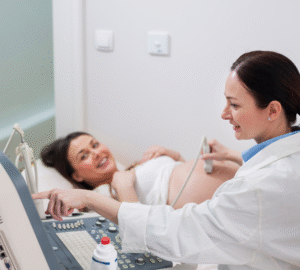
You are crushing it in Bengaluru’s relentless tech ecosystem. You lead sprints, deploy critical updates, and manage global teams across time zones. But behind the dual monitors, you are carrying a heavy, invisible burden. You are timing gonadotropin injections in the office washroom, tracking follicle sizes, and frantically searching for the best gynae near me while sitting on a muted Zoom call.
The pressure is suffocating. Your Slack is blowing up with escalation alerts right as the estrogen patches trigger a massive mood swing. You cannot show weakness in the boardroom, yet your body is undergoing an intense, chemically induced marathon. Worse, the chronic stress from tight deadlines and endless traffic is actively fighting the expensive fertility treatments you are enduring.
You do not have to choose between your hard-earned career and your dream of building a family. At Karthika Woman & Child Care, we understand the specific, high-octane pressures of the corporate world. This guide offers clinical, actionable strategies for managing ivf stress for tech professionals, helping you regulate your nervous system, mask hormonal shifts, and optimize your chances of a successful pregnancy.
Bengaluru’s Tech Lifestyle vs. Implantation: Managing Cortisol with the Best Gynae Near Me
Let us look at the hard data. The fast-paced Bengaluru tech lifestyle, characterized by two-hour commutes through Silk Board, late-night scrums with US counterparts, and constant screen time, creates a state of chronic hyperarousal.
This hyperarousal spikes your cortisol levels. When cortisol remains elevated, your body enters a prolonged “fight or flight” state. From a reproductive endocrinology standpoint, high cortisol interferes with the hypothalamic-pituitary-ovarian (HPO) axis. It restricts blood flow to the uterus and alters the immune environment of the uterine lining, directly reducing endometrial receptivity. Simply put: severe, unmanaged corporate stress can contribute to recurrent implantation failure.
Lowering cortisol is not just about “feeling better.” It is a clinical imperative for your IVF cycle.
Masking the Swings: Navigating IVF Hormones in the Boardroom
One of the hardest parts of IVF for corporate leaders is the emotional volatility caused by stimulation medications and progesterone support. You need to remain stoic during a heated product pitch, even when the hormones make you want to cry over a minor code error.
Here is how to strategically manage and conceal these shifts:
- Strategic Calendar Blocking: Do not leave your schedule open to random 1-on-1s. Block out 30-minute “Focus Work” periods immediately following your typical injection times. Use this buffer to let the physical discomfort and immediate adrenaline spike pass.
- The “Camera-Off” Rule: Hormone-induced bloating (especially post-egg retrieval) and sudden fatigue are real. Normalize asynchronous communication. Default to audio-only calls when you are experiencing severe physical discomfort.
- Micro-Grounding Techniques: When an emotional surge hits during a meeting, rely on physical grounding. Press your feet flat onto the floor, grip the edges of your chair, and practice a subtle 4-7-8 breathing pattern (inhale for 4, hold for 7, exhale for 8). This forces the parasympathetic nervous system to override the emotional spike.
- Wardrobe Adjustments: Ditch the restrictive waistbands. Opt for high-end, structured flowy dresses or smart-casual tech wear with elastic waists. Comfort prevents physical agitation from compounding emotional stress.
Strategic Stress Management for the Corporate IVF Patient
To counteract the specific stressors of IT roles, you need targeted interventions. Finding a gynaecologist clinic near me that understands this holistic approach is crucial. At Karthika Woman & Child Care, we blend clinical excellence with personalized lifestyle management.
| Corporate Stressor | Physiological Impact | Targeted IVF Coping Strategy |
| Late-night US/EU Client Calls | Melatonin disruption, reduced egg quality | Wear blue-light blocking glasses after 7 PM; enforce a hard screen cutoff 30 mins pre-sleep. |
| High-Stakes Code Deployments | Adrenaline & Cortisol spikes, vascular constriction | Practice box breathing during deployments; schedule light, 10-minute walks post-launch. |
| Sedentary Desk Work | Poor pelvic blood flow, muscle stiffness | Use a standing desk; do seated pelvic tilts hourly to encourage blood flow to the ovaries/uterus. |
| Unpredictable Sprints | Missed medication windows, extreme anxiety | Set silent, vibrating alarms on a smartwatch for discrete, non-negotiable injection times. |
Taking Control of Your Journey
You cannot control every variable in an IVF cycle, nor can you eliminate all stress from a high-level tech job. What you can control is your environment, your boundaries, and the medical team you choose to partner with.
Look for a specialist who treats you as a whole person, not just a clinical statistic. Booking your gynaecology appointment should feel like stepping into a safe harbor, a place where the clinical protocol adapts to your life, rather than the other way around. Be aggressively protective of your peace during the two-week wait. Delegate aggressively. Say no to non-essential projects. Your future family deserves that boundary, and so do you.
Frequently Asked Questions
Can workplace stress directly cause my IVF cycle to fail?
While stress alone is rarely the sole cause of infertility, chronic high cortisol levels can negatively impact egg quality and uterine receptivity. Managing stress optimizes your body’s environment, giving the embryo the best possible chance to implant.
How do I hide my frequent doctor visits from my manager?
Schedule early morning scans or late evening consultations. Clinics like Karthika Woman & Child Care often offer flexible timings for working professionals. You can also block your calendar with vague terms like “Recurring Physical Therapy” or “Personal Medical Appointment” to maintain privacy.
What should I look for when searching for a fertility clinic?
When searching for a clinic, look beyond just success rates. Seek out facilities that offer comprehensive care, including emotional support, transparent communication, and personalized protocols that accommodate a demanding work schedule.
Are there any specific foods that help lower cortisol during an IVF cycle?
Focus on an anti-inflammatory diet rich in Omega-3 fatty acids (walnuts, chia seeds, fatty fish), magnesium-dense foods (spinach, dark chocolate), and complex carbohydrates to stabilize blood sugar. Avoid high-caffeine intake, as it can artificially spike cortisol and exacerbate anxiety.