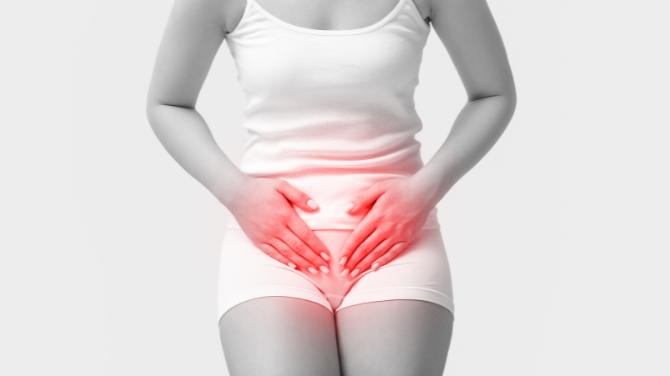
Menstruation is a natural and vital part of the female reproductive cycle, yet for many, it’s accompanied by discomfort, pain, and various irregularities. Understanding the nuances of female menses problem is crucial for maintaining overall health and well-being. This in-depth guide will explore the common causes, effective diagnostic approaches, and a range of care options to help individuals navigate these challenges. From mild discomfort to severe conditions, addressing menstrual issues empowers women to live healthier, more comfortable lives.
Understanding Female Menstrual Problems
A typical menstrual cycle lasts 21 to 35 days, with bleeding occurring for 2 to 7 days. However, when cycles deviate from this norm, or if symptoms become debilitating, it indicates a female menses problem. These issues can range from mild annoyance to conditions significantly impacting daily life and fertility.
What Are Menstrual Irregularities?
Menstrual irregularities encompass any deviation from a regular, predictable menstrual cycle. This can include variations in cycle length, flow intensity, duration of bleeding, or the presence of severe pain and other symptoms.
Common Types of Menstrual Problems
- Dysmenorrhea: Characterized by severe, often debilitating, menstrual cramps. It can be primary (no underlying condition) or secondary (due to conditions like endometriosis).
- Menorrhagia: Abnormally heavy or prolonged menstrual bleeding that can lead to anemia and significantly disrupt daily activities.
- Oligomenorrhea: Infrequent menstruation, where periods occur less often than every 35 days.
- Amenorrhea: The absence of menstruation. Primary amenorrhea refers to a young woman who hasn’t started her period by age 15, while secondary amenorrhea is when periods stop for three months or more after regular cycles have been established.
- Metrorrhagia: Irregular uterine bleeding, often occurring between expected menstrual periods.
- Premenstrual Syndrome (PMS) & Premenstrual Dysphoric Disorder (PMDD): A cluster of physical and emotional symptoms that occur in the week or two before menstruation and typically resolve once the period begins. PMDD is a more severe form of PMS.
Causes of Female Menstrual Problems
The root causes of female menses problem are diverse and can involve a complex interplay of hormonal, structural, and lifestyle factors. Identifying these causes is the first step toward effective management.
Hormonal Imbalances
Hormones like estrogen, progesterone, and androgens play a pivotal role in regulating the menstrual cycle. Imbalances can lead to a wide array of problems. For instance, too much estrogen relative to progesterone can cause heavy bleeding, while fluctuations can trigger PMS or irregular cycles. Thyroid hormones also significantly influence menstrual health; both an overactive and underactive thyroid can disrupt periods.
Structural Issues in the Uterus or Ovaries
Physical abnormalities within the reproductive organs are common culprits. These include:
- Uterine Fibroids: Non-cancerous growths in the uterus that can cause heavy bleeding, pain, and pressure.
- Endometriosis: A condition where tissue similar to the lining of the uterus grows outside the uterus, leading to severe pain, heavy bleeding, and fertility issues.
- Adenomyosis: Occurs when the endometrial tissue grows into the muscular wall of the uterus, causing painful, heavy periods.
- Uterine Polyps: Small, benign growths on the inner wall of the uterus that can cause irregular bleeding.
Lifestyle Factors
Modern lifestyles often contribute significantly to menstrual irregularities:
- Stress: Chronic stress can disrupt the hypothalamic-pituitary-ovarian (HPO) axis, leading to missed or irregular periods.
- Diet & Nutrition: Poor nutrition, extreme dieting, or rapid weight changes can impact hormone production.
- Exercise: Both excessive exercise (especially in athletes) and a sedentary lifestyle can affect menstrual regularity.
- Weight: Being significantly underweight or overweight can interfere with hormonal balance.
Underlying Medical Conditions
Several medical conditions can manifest as menstrual problems:
- Polycystic Ovary Syndrome (PCOS): A common hormonal disorder characterized by irregular periods, excess androgen, and polycystic ovaries. Learn more about PCOS symptoms and management.
- Thyroid Disorders: Both hyperthyroidism and hypothyroidism can cause menstrual disturbances.
- Bleeding Disorders: Rarely, conditions affecting blood clotting can lead to menorrhagia.
- Sexually Transmitted Infections (STIs): Some STIs can cause pelvic inflammatory disease (PID), leading to irregular bleeding and pain.
Medications
Certain medications, including some antidepressants, anticoagulants, and hormonal therapies, can affect the menstrual cycle as a side effect.
Diagnosing Female Menstrual Problems
Accurate diagnosis is paramount to developing an effective treatment plan. A thorough diagnostic process typically involves several steps, from initial consultation to advanced imaging.
Medical History and Physical Exam
Your doctor will begin by taking a detailed medical history, asking about your menstrual patterns, symptoms, family history, and lifestyle. A physical exam, including a pelvic exam, is usually performed to check for any visible abnormalities or tenderness.
Hormone Testing
Blood tests are essential for evaluating hormone levels. These can include tests for:
- Estrogen and Progesterone: To assess ovarian function.
- Thyroid-Stimulating Hormone (TSH): To check thyroid function.
- Prolactin: High levels can indicate a problem with the pituitary gland.
- Androgens: Such as testosterone, especially when PCOS is suspected.
Imaging Techniques
Imaging provides a visual assessment of the reproductive organs:
- Pelvic Ultrasound: A non-invasive test that uses sound waves to create images of the uterus, ovaries, and fallopian tubes, identifying fibroids, cysts, or polyps.
- MRI (Magnetic Resonance Imaging): Offers more detailed images, particularly useful for diagnosing endometriosis or adenomyosis.
- Hysteroscopy: A procedure where a thin, lighted scope is inserted through the vagina and cervix into the uterus to visualize the uterine lining and identify polyps or fibroids.
- Laparoscopy: A minimally invasive surgical procedure used to directly visualize pelvic organs and diagnose conditions like endometriosis or pelvic adhesions.
Biopsies
An endometrial biopsy involves taking a small sample of the uterine lining for microscopic examination. This can help diagnose abnormal uterine cells, infections, or hormonal imbalances.
Effective Care and Management Strategies
Once a female menses problem is diagnosed, a personalized care plan can be developed. Treatment options range from lifestyle adjustments to medical and surgical interventions, aiming to alleviate symptoms and address the underlying cause.
Lifestyle Modifications
Often the first line of defense, lifestyle changes can significantly improve menstrual symptoms:
- Dietary Adjustments: Adopting an anti-inflammatory diet rich in fruits, vegetables, whole grains, and lean proteins can reduce pain and improve hormonal balance. Limiting processed foods, sugar, and excessive caffeine may also help.
- Regular Exercise: Moderate physical activity, such as walking, swimming, or yoga, can help manage stress, improve circulation, and reduce pain.
- Stress Management: Techniques like mindfulness, meditation, deep breathing exercises, and adequate sleep are crucial for regulating hormones and mitigating PMS/PMDD symptoms.
- Weight Management: Maintaining a healthy body weight is vital, as both obesity and being underweight can disrupt hormonal balance.
Over-the-Counter (OTC) Remedies
- Pain Relievers: Non-steroidal anti-inflammatory drugs (NSAIDs) like ibuprofen or naproxen can effectively reduce menstrual cramps and heavy bleeding.
- Heating Pads: Applying heat to the abdomen can relax uterine muscles and alleviate pain.
Hormonal Therapies
These are frequently prescribed to regulate cycles, reduce bleeding, and alleviate pain:
- Oral Contraceptives (Birth Control Pills): Can regulate periods, reduce bleeding, and diminish pain by controlling hormone levels.
- Progestin-Only Therapies: Available as pills, injections, implants, or intrauterine devices (IUDs), progestins can thin the uterine lining, reducing bleeding and pain.
- Gonadotropin-Releasing Hormone (GnRH) Agonists: Used for conditions like endometriosis, these medications temporarily induce a menopause-like state to suppress the growth of endometrial tissue.
Non-Hormonal Medications
- Tranexamic Acid: A non-hormonal medication that helps reduce heavy menstrual bleeding by promoting blood clotting.
- Pain Management Prescriptions: For severe cases of dysmenorrhea, stronger pain relievers may be prescribed.
Surgical Interventions
Surgery may be necessary for structural issues:
- Myomectomy: Surgical removal of uterine fibroids while preserving the uterus.
- Endometrial Ablation: A procedure that destroys the lining of the uterus to reduce heavy bleeding, suitable for women who do not plan future pregnancies.
- Hysterectomy: Removal of the uterus, typically considered for severe, persistent problems when other treatments have failed and childbearing is complete.
- Laparoscopic Excision: For endometriosis, this involves surgically removing endometrial implants.
Complementary & Alternative Therapies
Some individuals find relief through alternative approaches, often used in conjunction with conventional medicine:
- Acupuncture: May help reduce menstrual pain and regulate cycles.
- Herbal Supplements: Certain herbs like chasteberry (Vitex agnus-castus), ginger, and evening primrose oil are often used, but it’s crucial to consult a healthcare provider before use due to potential interactions or side effects.
- Nutritional Supplements: Magnesium, Vitamin B6, and Omega-3 fatty acids are sometimes recommended for PMS and pain relief.
When to Seek Professional Help
It’s important to consult a healthcare professional if you experience:
- Periods that suddenly become irregular or stop.
- Exceptionally heavy bleeding that soaks through pads/tampons every hour or two.
- Severe pain that isn’t relieved by OTC pain relievers.
- Bleeding between periods or after intercourse.
- New or worsening symptoms associated with your period.
- Inability to conceive after a year of trying (if under 35) or six months (if 35 or older).
Preventative Measures and Long-Term Wellness
Proactive health management is key to minimizing the impact of female menses problem. Regular gynecological check-ups, maintaining open communication with your healthcare provider, and adhering to a healthy lifestyle can significantly contribute to long-term menstrual wellness.
Early detection and intervention for conditions like PCOS or endometriosis can prevent their progression and reduce associated complications. Empowering yourself with knowledge about your body and seeking timely medical advice are the cornerstones of managing menstrual health effectively.
Conclusion
Female menstrual problems, though common, should never be dismissed as “just part of being a woman.” From discomfort to significant health challenges, these issues can profoundly impact quality of life. Understanding the various causes, seeking accurate diagnosis, and exploring comprehensive care options are essential steps toward finding relief and achieving menstrual wellness. Remember, you don’t have to suffer in silence; professional help is available to help you navigate and manage any female menses problem effectively.
Frequently Asked Questions (FAQ)
Q1: What is considered a “normal” menstrual period?
A normal menstrual period typically occurs every 21 to 35 days, lasts for 2 to 7 days, and involves a moderate flow of blood (around 30-80ml, or changing a pad/tampon every 3-6 hours). However, what’s normal for one person might be different for another; consistency is key.
Q2: Is it normal to have severe pain during menstruation?
While some discomfort or mild cramping is common, severe pain (dysmenorrhea) that interferes with daily activities or requires strong medication is not normal and should be investigated by a doctor. It could be a sign of an underlying condition like endometriosis or fibroids.
Q3: What causes missed periods besides pregnancy?
Many factors can cause missed periods apart from pregnancy. Common reasons include stress, significant weight changes (both loss and gain), excessive exercise, hormonal imbalances (like PCOS or thyroid issues), certain medications, and perimenopause.
Q4: When should I see a doctor about my menstrual problems?
You should consult a doctor if you experience: consistently irregular periods, excessively heavy bleeding (soaking through a pad/tampon every hour for several hours), severe menstrual pain, bleeding between periods, post-menopausal bleeding, or if you have concerns about fertility.
Q5: Can diet and exercise really affect my period?
Absolutely. A balanced, nutritious diet and regular, moderate exercise can significantly impact hormonal balance and menstrual health. Extreme dieting, rapid weight changes, or excessive exercise can disrupt your cycle, while a healthy lifestyle can often alleviate symptoms and promote regularity.
Q6: What is the difference between PMS and PMDD?
PMS (Premenstrual Syndrome) involves a range of mild to moderate physical and emotional symptoms that occur before your period. PMDD (Premenstrual Dysphoric Disorder) is a more severe and debilitating form of PMS, characterized by significant mood swings, irritability, anxiety, and depression that severely impact daily life and relationships.
About the Author
Author:
Dr.Divya Venugopalan — Obstetrics & Gynecology Specialist experienced in caring for women through every stage: adolescence, pregnancy, menopause. Passionate about trustworthy, compassionate health care.
Website: karthikawomanandchildcare.in
Call: +91 99459 26987