A high blood pressure reading during your second trimester changes the entire atmosphere of the exam room. Suddenly, the joy of expecting is overshadowed by the looming threat of pre-eclampsia—a condition that can rapidly compromise both maternal survival and fetal development. Left unmanaged, it forces premature deliveries and lengthy NICU stays. You cannot afford a reactive approach when the stakes are this high. You need immediate, proactive intervention. That is exactly why partnering with an equipped near by gynecologist hospital at the very beginning of your pregnancy journey is your absolute strongest line of defense.
At Karthika Woman and Child Care in Bengaluru, we do not wait for blood pressure spikes to dictate our clinical decisions. We predict them. Booking your gynaecology appointment early allows our specialists, including Dr. Divya Venugopalan, to map your precise risk profile before placental vascular resistance even begins.
Decoding Pre-Eclampsia: Why Early Prediction Matters
Pre-eclampsia is not simply “high blood pressure.” It is a complex vascular disorder driven by abnormal placental development. During a healthy pregnancy, maternal blood vessels remodel themselves, widening to provide low-resistance, high-volume blood flow to the growing fetus. In pre-eclampsia, this remodeling fails. The vessels remain narrow, forcing the mother’s heart to pump harder, which elevates systemic blood pressure and damages maternal organs like the kidneys and liver.
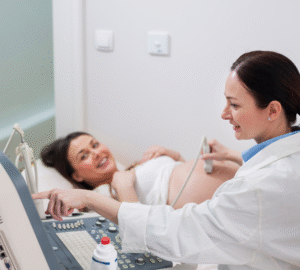
Prediction relies on early vigilance. Targeted fetal medicine capabilities—such as advanced 3D/4D ultrasound scanning and uterine artery Doppler assessments—allow us to measure the resistance of blood flow to the placenta long before physical symptoms manifest. When you select a facility dedicated entirely to obstetrics and maternity care, you gain access to these granular diagnostic tools.
The Game-Changer: Low-Dose Aspirin Protocols Starting at Week 12
The medical community has fundamentally shifted how we manage high-risk pregnancies. The most impactful intervention isn’t a complex surgical procedure; it is the strategic application of low-dose aspirin.
For women identified with high-risk profiles, initiating a low-dose aspirin protocol (typically 81mg to 150mg daily) starting precisely between 12 and 16 weeks of gestation drastically reduces the incidence of severe, early-onset pre-eclampsia.
Why Week 12?
Timing dictates efficacy. During the late first and early second trimesters, the placenta undergoes its most critical vascular remodeling. Lower dosages of aspirin irreversibly acetylate the COX-1 enzyme, which decreases platelet synthesis of thromboxane—a potent vasoconstrictor—without hindering the production of beneficial, vessel-relaxing prostacyclins.
In plain terms: it prevents micro-clots in the placental bed and forces the blood vessels to remain wide open. Delaying this protocol beyond 20 weeks significantly dilutes its protective efficacy.
Identifying Your Risk Profile
The American College of Obstetricians and Gynecologists (ACOG) provides strict criteria to determine which expecting mothers require the low-dose aspirin protocol.
| Risk Category | Clinical Indicators | ACOG Aspirin Protocol Recommendation |
| High Risk (Requires ≥1 factor) | History of pre-eclampsia, chronic hypertension, Type 1/2 diabetes, renal disease, autoimmune disease (Lupus, APS), multifetal gestation (twins/triplets). | Initiate immediately (between 12-16 weeks) |
| Moderate Risk (Requires ≥2 factors) | First pregnancy (nulliparity), obesity (BMI >30), IVF conception, family history of pre-eclampsia, age >35, >10-year pregnancy interval. | Strongly consider initiation (between 12-16 weeks) |
| Low Risk | Previous uncomplicated full-term deliveries, no underlying vascular conditions. | Routine monitoring; aspirin not indicated |
Comprehensive Maternity Care: Beyond Standard Check-ups
When searching for the best gynae near me, you must look beyond routine, low-risk prenatal visits. Complex pregnancies escalate rapidly. You need a facility engineered for high-acuity scenarios.
If a mother’s blood pressure reaches critical thresholds, relying on an ambulance transfer through congested traffic to reach a secondary hospital wastes life-saving minutes. At Karthika Woman and Child Care, our proactive management architecture eliminates this risk.
The Karthika Advantage
- On-Site Maternal ICU: Our dedicated Maternal Intensive Care Unit operates 24/7, ready to instantly stabilize severe hypertensive crises.
- Level III NICU Integration: Premature birth remains the highest risk associated with pre-eclampsia. Our Neonatal Intensive Care Unit is engineered to handle extreme prematurity. Mother and baby remain under the same roof, managed by a cohesive, multi-disciplinary team.
- Cross-Disciplinary Monitoring: Your primary obstetrician consults directly with fetal medicine experts, endocrinologists, and dietitians to manage your blood pressure holistically.
Do not wait for symptoms to appear. Secure your health and the future of your child by anchoring your care at a specialized facility.
Frequently Asked Questions (FAQ)
What are the first signs of pre-eclampsia?
While high blood pressure and protein in the urine are the clinical hallmarks, physical symptoms you might notice include severe headaches that won’t go away, sudden swelling in the hands and face, vision changes (blurriness or flashing lights), and upper abdominal pain.
Why is week 12 to 16 so crucial for starting aspirin?
This window aligns with the critical period of placental vascular remodeling. Starting aspirin during this specific timeframe prevents the formation of micro-clots and helps ensure the blood vessels connecting to the placenta remain wide and unobstructed.
Does IVF increase the risk of pre-eclampsia?
Yes. Assisted reproductive technologies, including In-Vitro Fertilization (IVF), are classified as a moderate risk factor by the ACOG. If you conceived via IVF and have one other moderate risk factor (such as being over 35 or expecting your first child), your physician will likely recommend the low-dose aspirin protocol.
How do I choose a near by gynecologist hospital for a high-risk pregnancy?
Look for dedicated maternal and pediatric infrastructure. Ensure the facility features an in-house Maternal ICU, an advanced Neonatal Intensive Care Unit (NICU), and specialized fetal medicine diagnostic tools so that you never have to be transferred during an emergency.