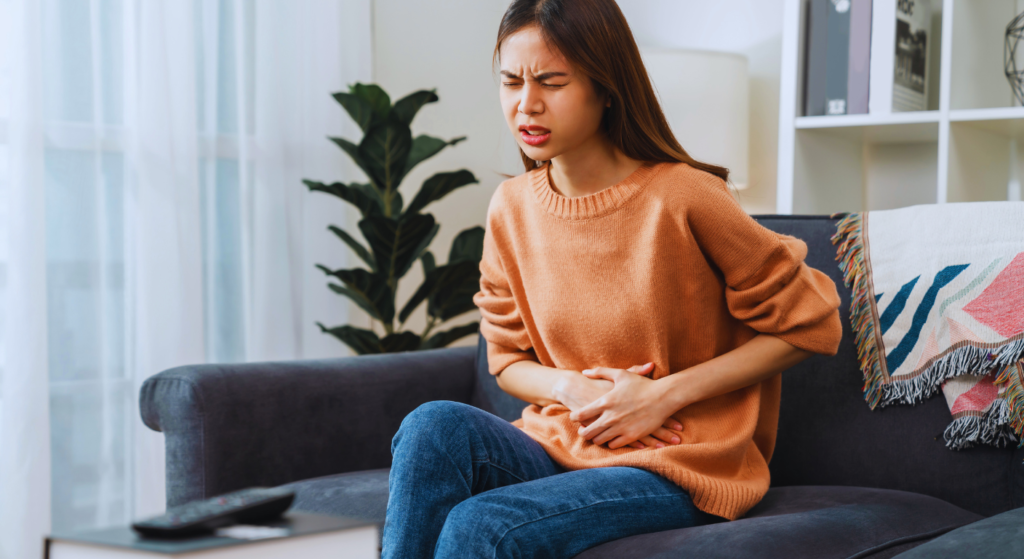
For many, menstruation is a routine part of life, but for millions, it brings a host of challenging period issues that can disrupt daily living. From unpredictable cycles to debilitating pain and excessive bleeding, understanding these problems is the first step towards finding relief and better managing your menstrual health. This comprehensive guide will explain the most common period issues, their causes, and how to effectively manage them.
Decoding Period Issues: Understanding Menstrual Health
The menstrual cycle is a complex symphony of hormones, designed to prepare the body for potential pregnancy. When this delicate balance is disturbed, it can lead to various period issues. Understanding the normal functioning of your cycle is key to identifying when something might be amiss.
The Menstrual Cycle: A Quick Overview
A typical menstrual cycle lasts 21 to 35 days, with bleeding (your period) usually lasting 2 to 7 days. It involves four main phases:
- Menstrual Phase: The shedding of the uterine lining (your period).
- Follicular Phase: Ovaries prepare an egg, and the uterine lining thickens.
- Ovulation: An egg is released from the ovary.
- Luteal Phase: The body prepares for pregnancy; if no pregnancy occurs, hormone levels drop, leading to menstruation.
When to Be Concerned: Defining “Issues”
While some variations are normal, consistent deviations from this pattern or severe symptoms can indicate underlying period issues. These include:
- Periods that are consistently shorter than 21 days or longer than 35 days.
- Bleeding that lasts longer than 7 days.
- Bleeding that is unusually heavy, requiring frequent pad/tampon changes.
- Severe pain that interferes with daily activities.
- Bleeding between periods or after intercourse.
- Missed periods (amenorrhea) when not pregnant.
Irregular Periods: Causes, Concerns & Solutions
Irregular periods, medically known as oligomenorrhea (infrequent periods) or metrorrhagia (bleeding between periods), are among the most common menstrual complaints. They can be frustrating and, at times, indicative of a larger health concern.
What Constitutes Irregularity?
An irregular period refers to a cycle that varies significantly in length, flow, or timing. This could mean periods that are:
- Less frequent than every 35 days (e.g., only 8-9 periods a year).
- More frequent than every 21 days.
- Unpredictable in their start date.
- Varying greatly in duration or flow.
Common Causes of Irregular Periods
The causes of irregular periods are diverse, ranging from lifestyle factors to medical conditions:
- Stress: High levels of physical or emotional stress can disrupt the hormonal balance regulating your cycle.
- Polycystic Ovary Syndrome (PCOS): A common hormonal disorder causing enlarged ovaries with small cysts, leading to irregular periods, excess androgen, and metabolic issues. Learn more about PCOS symptoms and management here.
- Thyroid Disorders: Both an underactive (hypothyroidism) and overactive (hyperthyroidism) thyroid can impact menstrual regularity.
- Weight Fluctuations: Significant weight gain or loss can alter hormone levels, leading to changes in your cycle.
- Perimenopause: As women approach menopause, hormonal shifts naturally lead to irregular periods.
- Excessive Exercise: Strenuous physical activity can sometimes lead to skipped or irregular periods.
- Certain Medications: Some drugs, including hormonal birth control methods, can influence regularity.
When to Seek Medical Advice for Irregular Periods
If your periods suddenly become irregular, or if you experience accompanying symptoms like excessive hair growth, acne, significant weight changes, or difficulty conceiving, it’s crucial to consult a healthcare provider. They can help diagnose the underlying cause and recommend appropriate treatment.
Painful Periods (Dysmenorrhea): More Than Just Cramps
While some discomfort is common during menstruation, debilitating pain that disrupts daily life is not normal and is known as dysmenorrhea. It is one of the most frequently reported period issues.
Primary vs. Secondary Dysmenorrhea
- Primary Dysmenorrhea: Common menstrual cramps that are not caused by an underlying condition. They usually begin 1-2 days before a period and subside after a few days. Caused by high levels of prostaglandins, hormone-like substances that cause uterine contractions.
- Secondary Dysmenorrhea: Pain caused by an underlying medical condition, such as endometriosis, fibroids, or adenomyosis. This pain often starts earlier in the cycle and may last longer, sometimes even after the period ends.
Common Causes of Painful Periods
- Prostaglandins: In primary dysmenorrhea, an overproduction or increased sensitivity to these chemicals leads to stronger and more frequent uterine contractions.
- Endometriosis: A condition where tissue similar to the uterine lining grows outside the uterus, causing severe pain, especially during periods. Explore our detailed guide on endometriosis.
- Uterine Fibroids: Non-cancerous growths in the uterus that can cause pain, heavy bleeding, and pressure.
- Adenomyosis: A condition where the tissue that normally lines the uterus (endometrial tissue) grows into the muscular wall of the uterus.
- Pelvic Inflammatory Disease (PID): An infection of the female reproductive organs, often a complication of STIs.
Managing Period Pain: Relief Strategies
Relief for painful periods can range from simple home remedies to medical interventions:
- Over-the-Counter (OTC) Pain Relievers: NSAIDs like ibuprofen or naproxen can significantly reduce prostaglandin production and pain.
- Heat Therapy: Applying a heating pad or hot water bottle to the abdomen can relax uterine muscles.
- Regular Exercise: Light to moderate exercise can help improve blood flow and release endorphins, natural pain relievers.
- Hormonal Birth Control: Oral contraceptives, patches, rings, or hormonal IUDs can reduce period pain by thinning the uterine lining and regulating hormones.
- Dietary Changes: Reducing caffeine, salt, and sugar, and increasing anti-inflammatory foods, may help some individuals.
Heavy Periods (Menorrhagia): Impact & Interventions
Heavy periods, or menorrhagia, involve excessive or prolonged menstrual bleeding that can severely impact a person’s quality of life. This is another significant type of period issues that requires attention.
Defining Heavy Menstrual Bleeding
It’s considered heavy if you:
- Soak through one or more sanitary pads or tampons every hour for several consecutive hours.
- Need to use double sanitary protection.
- Need to change protection during the night.
- Bleed for more than 7 days.
- Pass blood clots larger than a quarter.
- Experience symptoms of anemia, such as fatigue, shortness of breath, or dizziness.
Underlying Causes of Heavy Periods
Menorrhagia can stem from various causes, some of which overlap with painful and irregular periods:
- Uterine Fibroids: Benign growths that can increase bleeding.
- Uterine Polyps: Small, benign growths on the lining of the uterus.
- Adenomyosis: Endometrial tissue growing into the uterine wall.
- Hormonal Imbalances: Especially an imbalance between estrogen and progesterone.
- Bleeding Disorders: Conditions like Von Willebrand disease can cause excessive bleeding.
- Intrauterine Devices (IUDs): Non-hormonal (copper) IUDs can sometimes increase menstrual bleeding.
- Medications: Anticoagulants or aspirin can increase bleeding.
- Complications of Pregnancy: Ectopic pregnancy or miscarriage can cause heavy bleeding.
Treatment Options for Menorrhagia
Treatment depends on the cause and severity, and may include:
- Medications:
- NSAIDs: Can reduce blood loss and pain.
- Tranexamic Acid: Helps blood clot.
- Hormonal Therapy: Oral contraceptives, progesterone, or hormonal IUDs can thin the uterine lining and reduce bleeding.
- Surgical Procedures:
- Dilation and Curettage (D&C): Removes the top layer of the uterine lining.
- Endometrial Ablation: Destroys the uterine lining to reduce or stop bleeding.
- Myomectomy/Hysterectomy: Removal of fibroids or, in severe cases, the entire uterus.
Beyond the Big Three: Other Common Period Issues
While irregular, painful, and heavy periods are most frequently discussed, other period issues also warrant attention.
Spotting Between Periods
Light bleeding or spotting between menstrual cycles can be alarming. Causes range from hormonal fluctuations (especially with new birth control), ovulation, uterine polyps or fibroids, to more serious conditions like infections or precancerous changes. Always consult a doctor if you experience persistent spotting.
Missed Periods (Amenorrhea)
Aside from pregnancy, missed periods can be caused by significant stress, extreme exercise, drastic weight changes, PCOS, thyroid problems, or premature ovarian failure. If you miss three or more periods, it’s essential to seek medical evaluation.
PMS & PMDD: Mood and Menstruation
Premenstrual Syndrome (PMS) encompasses a wide range of physical and emotional symptoms occurring in the week or two before a period. Premenstrual Dysphoric Disorder (PMDD) is a more severe form of PMS, characterized by intense mood swings, depression, anxiety, and irritability that significantly disrupt life. Management often involves lifestyle changes, stress reduction, and sometimes medication or therapy.
Lifestyle Adjustments and Holistic Approaches
Many period issues can be managed or alleviated through thoughtful lifestyle changes. These approaches often complement medical treatments.
Diet & Nutrition
- Anti-inflammatory Foods: Incorporate fruits, vegetables, whole grains, and omega-3 fatty acids (found in fish, flaxseed).
- Iron-Rich Foods: If you have heavy periods, ensure adequate iron intake to prevent anemia.
- Reduce Processed Foods: Limit sugar, refined carbs, and unhealthy fats which can worsen inflammation.
- Stay Hydrated: Drinking plenty of water can help reduce bloating and cramping.
Stress Management
Stress is a significant contributor to hormonal imbalances. Techniques like yoga, meditation, deep breathing exercises, and sufficient sleep can help regulate your body’s stress response and potentially normalize your cycle.
Exercise
Regular, moderate exercise (like walking, swimming, or cycling) can improve circulation, reduce stress, and alleviate menstrual pain. However, avoid excessive or strenuous exercise which can sometimes lead to irregular periods.
When to Consult a Healthcare Professional
While this article provides comprehensive information, it is not a substitute for professional medical advice. You should always consult a doctor if you experience any of the following:
- Sudden changes in your menstrual cycle.
- Severe pain that isn’t relieved by OTC medication.
- Very heavy bleeding (soaking through a pad/tampon every hour for several hours).
- Bleeding between periods or after sex.
- Missed periods (and you’re not pregnant).
- Symptoms of anemia (fatigue, weakness, dizziness).
- New or worsening PMS/PMDD symptoms.
- Concerns about fertility or difficulty conceiving.
Early diagnosis and treatment are crucial for managing most period issues effectively.
Empowering Yourself: Taking Control of Your Menstrual Health
Understanding your body and advocating for your health are powerful steps. Track your cycle, note your symptoms, and don’t hesitate to seek professional help if you have concerns. Your menstrual health is a vital part of your overall well-being. By being informed and proactive, you can navigate period issues with confidence and achieve better health outcomes.
Frequently Asked Questions (FAQ)
Is it normal to have irregular periods sometimes?
Occasional irregularity can be normal, especially during puberty, perimenopause, or times of significant stress. However, if your periods are consistently irregular (e.g., varying by more than 7-10 days each cycle, or cycles shorter than 21 days/longer than 35 days), it’s advisable to consult a doctor to rule out underlying causes like PCOS or thyroid issues.
When should I worry about period pain?
You should worry about period pain if it’s so severe that it interferes with your daily activities, isn’t relieved by over-the-counter pain medication, or if it has recently worsened. Also, if the pain begins earlier in your cycle or lasts longer than typical cramps, it could indicate conditions like endometriosis or fibroids, and a doctor’s visit is recommended.
How do I know if my period is too heavy?
Your period might be too heavy (menorrhagia) if you soak through one or more pads/tampons every hour for several hours, need to use double protection, pass large blood clots (larger than a quarter), bleed for more than 7 days, or experience symptoms of anemia like extreme fatigue or shortness of breath. If you suspect your period is too heavy, consult a healthcare provider.
Can stress cause period issues?
Yes, stress can significantly impact your menstrual cycle. High levels of physical or emotional stress can disrupt the hormonal balance regulated by the hypothalamus in your brain, leading to irregular, missed, or even more painful periods. Managing stress through relaxation techniques, exercise, and adequate sleep can often help improve menstrual regularity.
What is PCOS and how does it affect periods?
PCOS (Polycystic Ovary Syndrome) is a common hormonal disorder characterized by irregular periods, excess androgen hormones (leading to symptoms like acne or unwanted hair growth), and polycystic ovaries (ovaries that may be enlarged and contain many small follicles). It primarily affects periods by causing infrequent, irregular, or prolonged menstrual cycles, due to the ovaries not regularly releasing eggs (anovulation). Find out more about PCOS treatment options.
Are there natural remedies for period pain?
Many people find relief from period pain using natural remedies. These include applying heat to the abdomen (heating pads, hot baths), light exercise (walking, yoga), certain herbal teas (chamomile, ginger), and dietary changes (reducing caffeine, salt, sugar, and increasing anti-inflammatory foods). Some supplements like magnesium and omega-3 fatty acids may also help. Always discuss natural remedies with your doctor, especially if you are on other medications.
“This article was incredibly informative and easy to understand. I finally feel like I have a grasp on my irregular periods and know what questions to ask my doctor. A true lifesaver!”
– Maria K., Reader