You set your alarm through the night just to change a super-plus tampon, yet you still wake up to a compromised mattress and an overwhelming wave of fatigue. Dealing with a severe periods problem like heavy menstrual bleeding—medically known as menorrhagia—steals your energy, your social life, and your peace of mind.
When every month feels like managing a medical emergency, standard advice to “just take a pain reliever” or live with the chaos falls woefully short. At Karthika Woman & Childcare, we see how exhausting these persistent period issues are for women striving to maintain demanding careers and personal lives. Let’s look past the surface symptoms, uncover the structural or hormonal drivers, and explore real medical solutions.
The Reality of Menorrhagia: When Heavy Flow Crosses the Line
The Problem
Your period lasts longer than seven days, or you soak through one or more sanitary pads or tampons every hour for consecutive hours. You pass blood clots larger than a quarter, and chronic iron-deficiency anemia leaves you chronically exhausted.
The Agitation
You are constantly mapping your day around public restrooms, avoiding white clothing, and feeling dismissed as being “dramatic” about normal female biology. This is not normal. Untreated heavy bleeding impacts your cardiac health, ruins your focus, and masks underlying conditions like adenomyosis, uterine fibroids, or hormonal imbalances.
The Solution
A tailored management strategy. Modern gynecology offers a spectrum of interventions designed to radically reduce blood loss, preserve fertility if desired, and restore your quality of life.
Information Gain: Hormonal IUDs vs. Oral Tranexamic Acid
When patients walk into our clinic seeking relief from a disruptive problem during menstruation, two of the most effective medical options discussed are the levonorgestrel-releasing intrauterine device (like the Mirena IUD) and oral tranexamic acid. They work entirely differently, offering distinct long-term satisfaction profiles.
1. Hormonal IUDs (Mirena/Levonorgestrel System)
- How it works: It releases a low dose of progestin locally inside the uterine cavity, thinning the endometrium so significantly that bleeding drops drastically over time (often resulting in light spotting or complete absence of periods).
- Long-term satisfaction: Exceptionally high for long-term users. Clinical studies and real-world compliance data show a 3-year to 5-year satisfaction rate exceeding 80% for bleeding reduction and convenience. It also provides reliable contraception.
- Considerations: Initial irregular spotting during the first 3 to 6 months post-insertion can test patience.
2. Oral Tranexamic Acid
- How it works: This is a non-hormonal antifibrinolytic medication taken only during the heaviest days of your cycle. It works by preventing the breakdown of blood clots in the uterine lining, reducing total blood loss by 30% to 60%.
- Long-term satisfaction: Highly favored by women who want to avoid hormones entirely, or those who are actively trying to conceive and only need cycle management during specific months.
- Considerations: It does nothing to alter the underlying cause (such as a fibroid or polyp) and must be taken month after month without offering contraceptive benefits.
Comparative Matrix: Hormonal IUDs vs. Tranexamic Acid
| Feature | Hormonal IUD (e.g., Mirena) | Oral Tranexamic Acid |
| Duration of Action | Continuous protection for up to 5–8 years | Taken only on heavy bleeding days |
| Primary Benefit | Dramatic reduction in flow (up to 90%); contraception | Non-hormonal approach; preserves natural cycles |
| Long-Term Satisfaction | High (80%+ continuation rate for menorrhagia) | Moderate-High (ideal for intermittent users or fertility planners) |
| Initial Adjustment | First few months involve irregular spotting | Quick onset of action during current cycle |
| Best Suited For | Women seeking long-term, set-and-forget relief | Women wanting pregnancy soon or avoiding hormones |
Uncovering the Root Cause: Diagnostic Steps
Treating heavy menstrual bleeding without diagnosing the root cause is like patching a leaking roof in the dark. At Karthika Woman & Childcare, our diagnostic protocols look closely at structural and systemic factors:
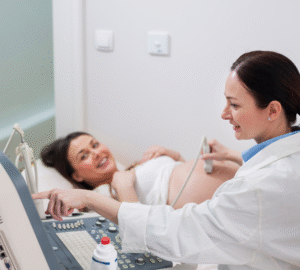
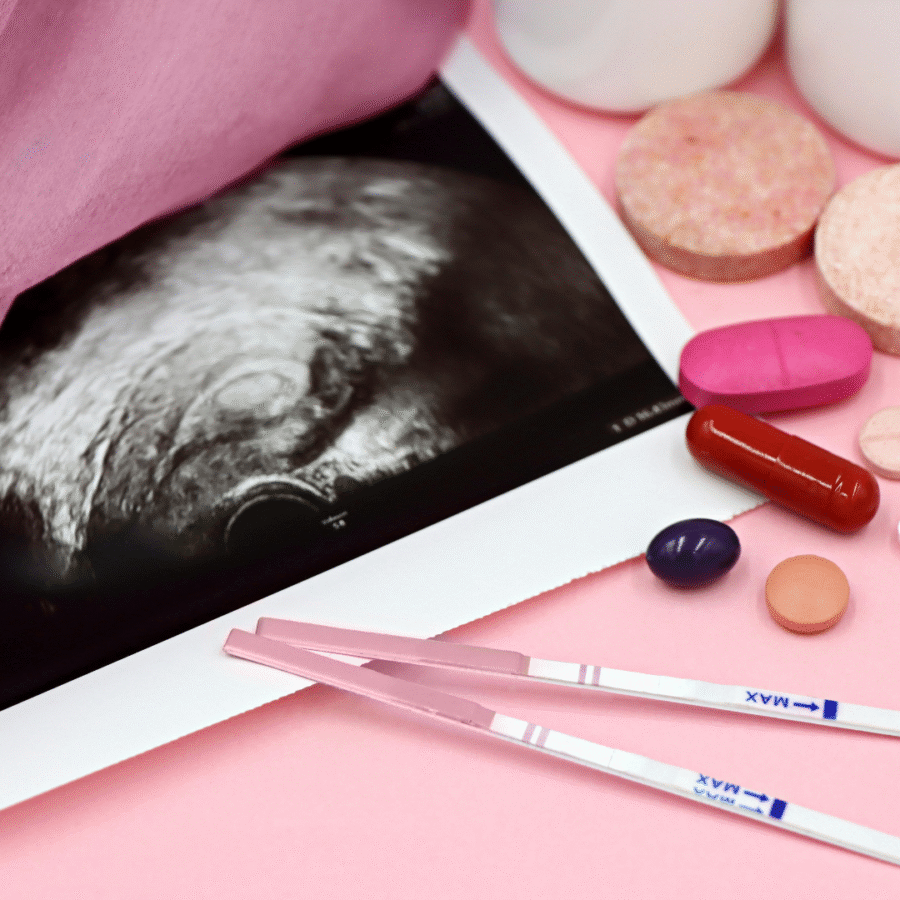
- Pelvic Imaging: High-resolution transvaginal ultrasound or specialized sonohysterography to check for adenomyosis, polyps, or submucosal fibroids.
- Hysteroscopy: A minimally invasive procedure allowing direct visualization of the uterine cavity to pinpoint and treat abnormalities simultaneously.
- Comprehensive Blood Panels: Testing complete blood counts (CBC) for severe iron-deficiency anemia, along with thyroid function tests and coagulation profiles.
Frequently Asked Questions
When does a heavy period cross into a medical emergency?
If you soak through two or more regular sanitary pads or tampons every hour for more than two consecutive hours, or if you experience dizziness, fainting, or severe shortness of breath, seek immediate medical attention.
Can heavy bleeding be treated without surgery?
Yes. First-line treatments are almost always medical. Options range from oral medications (like tranexamic acid or combination birth control pills) and the hormonal IUD to modern endometrial ablation techniques that avoid major surgery.
Will heavy periods affect my ability to get pregnant later?
It depends entirely on the cause. While conditions like uterine fibroids or adenomyosis can impact implantation or pregnancy, treating them appropriately or utilizing targeted medical management can safeguard and optimize your future fertility.