You have high-grade, euploid embryos. Your fallopian tubes are clear. Your partner’s semen analysis is flawless. Yet, cycle after cycle, implantation fails. The reproductive endocrinologist hands you a frustrating label: unexplained infertility. You assume you are just statistically unlucky. You aren’t.
If you experience zero pelvic pain, textbook 28-day cycles, and no heavy bleeding, you might think your pelvic environment is pristine. But behind the scenes, a biochemical fire could be raging. Endometriosis does not always announce itself with debilitating cramps. In fact, silent endometriosis and unexplained infertility share a profound, frequently missed clinical connection.
At karthikawomanandchildcare.in, we refuse to accept “unexplained” as a final answer. We dig deeper. Here is how hidden inflammatory markers sabotage your reproductive potential—and exactly how we identify and eliminate the threat.
The Biochemical Sabotage: What Is Silent Endometriosis?
Most patients associate endometriosis with agonizing periods. However, the severity of pain rarely correlates with the severity of the disease. You can have deep-infiltrating endometriosis or its uterine counterpart, adenomyosis, and feel absolutely nothing.
When rogue endometrial-like tissue implants outside the uterus—on the ovaries, fallopian tubes, or pelvic sidewalls—it bleeds during your menstrual cycle. Because this blood has nowhere to exit, it triggers an aggressive immune response. Macrophages flood the pelvic cavity. Cytokines and prostaglandins surge.
This creates a highly toxic, hyper-inflammatory environment.
How Pelvic Inflammation Destroys Oocyte and Embryo Quality
When patients come to us for Recurrent Implantation Failure & Pregnancy Loss, we immediately evaluate the pelvic cavity’s immune state. Why? Because high inflammatory markers destroy fertility at the cellular level, long before an embryo ever reaches the uterus.
- Oocyte (Egg) Degradation: The fluid surrounding your developing eggs (follicular fluid) absorbs the inflammatory markers from the pelvic cavity. Reactive oxygen species (ROS) physically alter the spindle apparatus of the oocyte, leading to poor egg quality, delayed embryo development, and low fertilization rates during In-Vitro Fertilization (IVF).
- Progesterone Resistance: A healthy pregnancy requires the uterine lining to be highly receptive to progesterone. Silent endometriosis triggers elevated levels of BCL-6, an inflammatory protein that makes the endometrium resistant to progesterone. Even if you transfer a genetically perfect embryo, the hostile lining rejects it.
- Altered Tubal Function: Chronic inflammation alters the tiny hair-like structures (cilia) inside the fallopian tubes, preventing them from effectively catching and transporting the egg during natural conception or Intrauterine Insemination (IUI).
The Diagnostics: Moving Beyond the “Unexplained” Label
Standard pelvic ultrasounds frequently miss superficial peritoneal endometriosis. Waiting for a classic “chocolate cyst” to appear on a scan wastes precious time and diminishes your ovarian reserve. If you are failing to conceive, you need specialized, high-resolution diagnostic tools.
| Diagnostic Method | What It Detects | When We Use It |
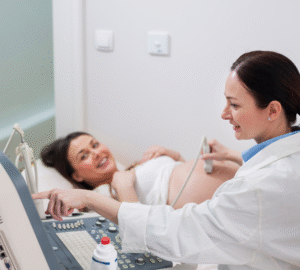
| Transvaginal Ultrasound (Expert-Guided) | Endometriomas, gross adenomyosis, soft marker restrictions. | Baseline Tubal Testing and initial PCOS Management or infertility workups. |
| Endometrial Biopsy (BCL-6 Testing) | High inflammatory markers and progesterone resistance. | Following recurrent IVF implantation failures. |
| Hysteroscopy | Uterine cavity abnormalities, polyps, subtle adenomyosis indicators. | Direct visualization of the uterine cavity before embryo transfer. |
| Diagnostic Laparoscopy | The gold standard. Directly visualizes and excises active, silent lesions. | When biochemical markers indicate inflammation, but scans are clear. |
Reclaiming Your Fertility: Strategic Treatment Pathways
You do not have to blindly endure another failed IVF cycle. At karthikawomanandchildcare.in, our multidisciplinary team tailors aggressive, highly specific interventions to quiet the inflammation and safeguard your reproductive future.
- Surgical Excision (Laparoscopy)Removing the inflammatory source is often the most definitive reset button. Expert laparoscopic excision of endometriosis normalizes the pelvic environment, drastically improving the odds of spontaneous conception or subsequent IVF success.
- Medical Down-RegulationIf surgery isn’t indicated or you are preparing for an immediate embryo transfer, we utilize medical suppression. Administering GnRH agonists for 60 to 90 days before a transfer drastically lowers systemic inflammation, temporarily silencing the endometriosis and reversing progesterone resistance.
- Advanced Assisted Reproductive Technologies (ART)Once the inflammatory environment is neutralized, we deploy targeted fertility treatments. Whether you need Ovulation Induction, optimized IUI, or comprehensive IVF, a clean pelvic environment maximizes your success rates. For patients diagnosed early who wish to delay pregnancy, we prioritize Oocyte (Egg) Freezing & Sperm/Semen Freezing to protect healthy gametes from progressive inflammatory damage.
- Comprehensive Women’s Health SupportEndometriosis and adenomyosis are chronic conditions. Beyond immediate conception, they require long-term management. From Menstrual Disorders, HPV Vaccination, and Tubal Ligation counseling to Obstetrics & Maternity Care and eventually Menopause Management, continuous specialized care prevents disease recurrence and protects your long-term health.
Frequently Asked Questions
Can you have endometriosis with normal periods and no pain?
Absolutely. Silent endometriosis presents with zero classical symptoms. Your cycles may be entirely regular, and you may experience no pain during menstruation or intercourse. Often, unexplained infertility is the only clinical red flag.
How do I know if I have silent endometriosis?
Standard imaging often misses it. A history of recurrent implantation failure, poor embryo development despite high egg yields, or positive inflammatory markers on an endometrial biopsy strongly suggest its presence. The definitive diagnosis requires a surgical laparoscopy.
Does silent endometriosis affect egg quality or just implantation?
It directly affects both. The toxic peritoneal fluid bathes the ovaries, subjecting developing follicles to severe oxidative stress. This compromises oocyte quality before retrieval, while simultaneous inflammation in the uterus creates a hostile environment that blocks implantation.
Should I freeze my eggs if I suspect silent endometriosis?
Yes. Endometriosis is a progressive disease. Over time, it can infiltrate the ovaries and destroy healthy tissue. Freezing your eggs pauses your biological clock, securing healthy reproductive cells before the inflammatory environment causes irreversible damage.