You eat wholesome foods, exercise regularly, and have absolutely no family history of hormonal imbalances. Yet, you find yourself suddenly battling irregular menstrual cycles, stubborn weight gain, or unexplained fertility challenges. You are frustrated, exhausted, and desperately searching for the hidden PCOS causes behind your symptoms.
We see this daily. You track your ovulation meticulously and manage your stress, but the diagnostics still point to Polycystic Ovary Syndrome, recurrent implantation failure, or unexplained infertility. The harsh reality? Your genetics might not be the primary trigger. Your zip code could be.
Modern city environments are saturated with invisible chemicals actively hijacking human reproductive systems. As specialists at Karthika Woman & Child Care, we consistently treat patients whose hormonal profiles are derailed by their daily surroundings. Let’s break down exactly how environmental endocrine disruptors in urban living impact your fertility, specifically within the unique context of Bengaluru, and what you must do to protect your reproductive health.
What Are Endocrine-Disrupting Chemicals (EDCs)?
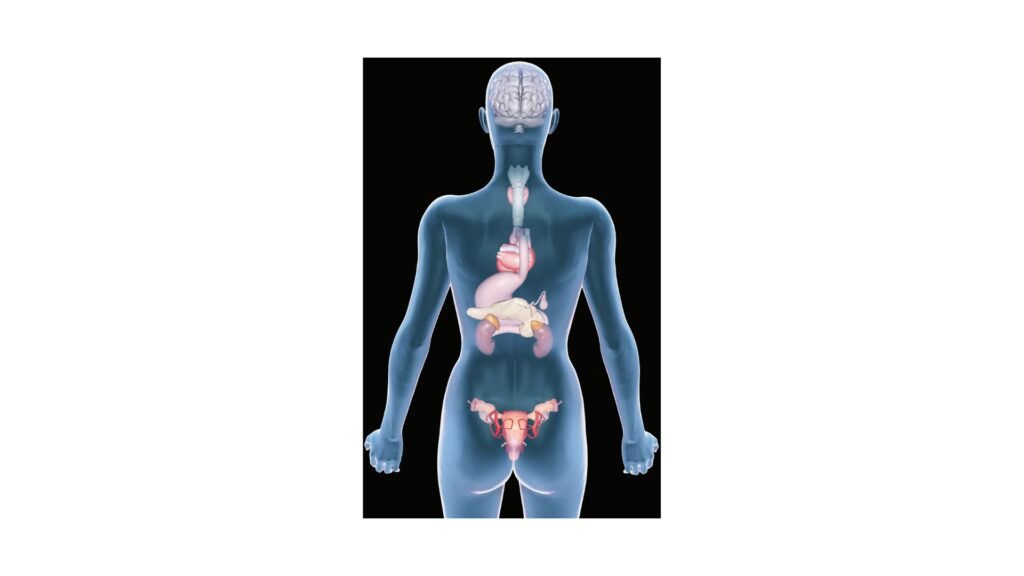
Endocrine disruptors are synthetic chemicals that mimic, block, or interfere with your body’s natural hormones. Your endocrine system relies on precise signals to regulate everything from ovulation and endometrial receptivity to thyroid function. When EDCs enter your bloodstream, they bind to hormone receptors. They send false signals, causing your body to overproduce insulin, mismanage estrogen, or suppress progesterone.
For women navigating IVF, IUI, or basic conception, this chemical interference is disastrous.
The Bengaluru Context: North & North-East Urban Toxins
Standard medical advice rarely factors in local geography. However, patients residing in rapidly developing corridors like Hebbal, Yelahanka, or Whitefield face highly specific environmental stressors that dramatically impact endocrine health.
- Hard Water & Heavy Metal Accumulation: Bengaluru heavily relies on borewell water, notoriously high in Total Dissolved Solids (TDS). While most households utilize RO purifiers for drinking, daily showers in hard, unfiltered water lead to dermal absorption of trace heavy metals. Over time, this incremental heavy metal exposure increases systemic oxidative stress, a known enemy of healthy oocyte (egg) development and successful embryo implantation.
- Particulate Matter (PM2.5) & Traffic Congestion: Heavy traffic zones generate elevated levels of airborne particulate matter. These microscopic particles frequently carry polycyclic aromatic hydrocarbons (PAHs). Chronic inhalation of PAHs is directly linked to diminished ovarian reserve, accelerated reproductive aging, and severe menstrual disorders.
Where Are These Hidden Hormonal Triggers Hiding?
To effectively manage your fertility, you must identify where these disruptors originate.
| Disruptor Category | Common Urban Source | Direct Impact on Reproductive Health |
| BPA & Phthalates | Plastic food delivery containers, synthetic fragrances, receipt paper | Mimics estrogen, aggressively triggers insulin resistance, worsens PCOS symptoms. |
| PFAS (Forever Chemicals) | Non-stick cookware, water-resistant clothing, stain-repellent fabrics | Disrupts vital thyroid function, strongly linked to recurrent pregnancy loss. |
| Heavy Metals | Unfiltered shower water, urban dust, poorly regulated cosmetics | Spikes oxidative stress, damages DNA in eggs, lowers IVF and IUI success rates. |
| Parabens | Shampoos, lotions, over-the-counter personal care products | Mimics estrogen, exacerbates conditions like Adenomyosis and irregular cycles. |
Diagnosing the Unexplained: Sudden Onsets and Postpartum Shifts
We frequently evaluate patients experiencing the sudden onset of pcos after pregnancy. Postpartum hormonal shifts are entirely normal as your body heals. However, returning to a high-toxin urban environment while your endocrine system is vulnerable and actively recalibrating can push the body into a state of chronic imbalance.
The microplastics leached from heating a quick plastic-wrapped meal, combined with urban air pollutants, can overwhelm a recovering liver. This prevents the efficient flushing of excess hormones, leading to delayed ovulatory return and late-onset PCOS.
Actionable Steps to Protect Your Reproductive Health
You cannot control city traffic, but you can control your immediate micro-environment.
- Filter Your Showers: Do not just filter your drinking water. Install a high-quality shower filter to minimize dermal exposure to heavy metals and chlorine.
- Audit Your Kitchen: Discard scratched non-stick pans. Never microwave food in plastic containers, especially the black plastic commonly used for restaurant takeout. Transfer your food to glass or stainless steel immediately.
- Clean Up Your Cosmetics: Transition to paraben-free and phthalate-free personal care products. Your skin is your largest organ; what you apply is absorbed directly into your bloodstream.
- Strategic Detoxification: Instead of endlessly searching for a generic “pcos nutritionist near me,” partner with an integrated medical team. You need a targeted, antioxidant-rich clinical nutrition plan designed to support your liver in metabolizing and eliminating specific urban toxins.
Specialized Care at Karthika Woman & Child Care
We do not just treat surface-level symptoms; we investigate the root environmental factors compromising your fertility. Whether you require advanced PCOS management, Ovulation Induction, specialized IVF/IUI protocols, or proactive Oocyte Freezing, our approach factors in the realities of your lifestyle. We map out a clinical strategy that mitigates environmental damage and optimizes your reproductive potential.
Frequently Asked Questions (FAQ)
Can changing my environment actually reverse PCOS?
While PCOS is a chronic condition, aggressively minimizing your exposure to endocrine disruptors can drastically reduce symptom severity. Lowering your toxic load improves insulin sensitivity and helps regulate ovulation naturally.
How do endocrine disruptors affect IVF success rates?
EDCs elevate oxidative stress, which degrades egg quality and alters the endometrial lining. By reducing EDC exposure in the months leading up to an egg retrieval or embryo transfer, you optimize the cellular environment, thereby improving your chances of a successful implantation.
Are there specific tests to check for heavy metal or EDC exposure?
Yes. If you suffer from recurrent implantation failure or unexplained infertility, advanced functional testing can measure heavy metals and specific environmental toxins in your system. This allows us to create a highly personalized detoxification and fertility protocol.