Adjusting to life with a newborn is a lot, and if you have PCOS, there can be extra things to think about. Here are some main points to remember as you get through this time.
Key Takeaways
- PCOS symptoms can change after pregnancy; some might get better, while others could return or worsen.
- A healthy diet focused on whole foods and limiting sugar is key for managing PCOS and energy levels.
- Gentle exercise is important for physical and mental health, helping with PCOS symptoms and postpartum recovery.
- Weight management can be tricky with PCOS postpartum, so focus on sustainable, healthy habits.
- Don’t hesitate to seek support for mental well-being, as PCOS can increase the risk of postpartum mood challenges.
Understanding PCOS After Pregnancy
So, you’ve had your baby, and you’re probably wondering what’s next with your PCOS. It’s a common question, and honestly, it’s not always straightforward. While pregnancy can sometimes give your PCOS symptoms a bit of a break, they often make a comeback once your hormones start to settle back down after delivery. It’s important to remember that PCOS is a chronic condition, and while symptoms might change, they don’t just disappear.
PCOS Symptoms That May Persist or Worsen
Many of the familiar PCOS symptoms might stick around, and some could even feel more intense postpartum. Weight gain is a big one. If you already struggled with managing your weight before pregnancy, you might find it even trickier now. The hormonal shifts and the demands of a newborn can make shedding those extra pounds a real challenge. Irregular periods, which are a hallmark of PCOS, can also continue or become more unpredictable as your body adjusts. You might also notice changes in your skin, like acne, or increased hair growth in certain areas. It’s a lot to deal with on top of everything else that comes with being a new mom.
The Impact of Hormonal Shifts Postpartum
Pregnancy involves a massive hormonal rollercoaster, and the postpartum period is no different, just in a different direction. Right after birth, your levels of estrogen and progesterone drop significantly. To compensate, your body releases oxytocin. This dramatic shift can leave you feeling emotionally all over the place, and it can also stir up your PCOS symptoms. Think of it as your body trying to find a new normal, and for those with PCOS, this adjustment period can be particularly bumpy. It’s why many women report feeling more sensitive to stress or experiencing mood swings during this time. Getting a handle on these hormonal changes is key to managing your PCOS after birth.
PCOS and Fertility After Childbirth
If you’re thinking about future pregnancies, it’s natural to wonder about your fertility after having your baby. PCOS can affect ovulation, making it harder to conceive. While pregnancy itself shows that conception is possible for you, your fertility might fluctuate postpartum. Your menstrual cycles may take time to regulate, and ovulation might not be as predictable as you’d like. It’s a good idea to discuss your family planning goals with your doctor. They can offer insights and guidance on what to expect and how to manage your fertility, especially if you’re considering more children. For those looking into fertility options, specialized clinics can provide tailored support for professionals managing PCOS.
The postpartum period is a time of significant physical and emotional change. For mothers with PCOS, these changes can sometimes amplify existing symptoms or introduce new challenges. Patience and a proactive approach to management are key.
Managing Your Diet for PCOS After Pregnancy

After bringing a new life into the world, your body is doing a lot. If you have PCOS, this time can bring its own set of challenges, especially when it comes to what you eat. Focusing on a balanced diet is key to helping your body adjust and manage PCOS symptoms postpartum. It’s not about strict rules, but more about making smart choices that support your well-being.
Nutrient-Rich Foods to Prioritize
When you have PCOS, keeping your blood sugar steady is a big deal, and that’s where your diet comes in. Think about filling your plate with foods that give you sustained energy and lots of good stuff.
- Lean Proteins: Chicken, turkey, fish, beans, and lentils help you feel full and support muscle repair after birth.
- Non-Starchy Vegetables: Load up on leafy greens, broccoli, bell peppers, and zucchini. They’re packed with vitamins and fiber without spiking your sugar.
- Healthy Fats: Avocados, nuts, seeds, and olive oil are important for hormone production and can help with inflammation.
- Whole Grains: Opt for quinoa, brown rice, and oats in moderation. They provide fiber and nutrients.
- Fermented Foods: Yogurt (plain, unsweetened) and kefir can support gut health, which is linked to PCOS management.
Eating small, frequent meals can help keep your energy levels stable throughout the day. This approach can also help manage cravings and prevent overeating.
Foods to Limit or Avoid
Some foods can make PCOS symptoms harder to manage, especially after pregnancy. It’s often about reducing the load on your system.
- Sugary Drinks: Sodas, sweetened juices, and even some flavored coffees can cause rapid blood sugar spikes.
- Refined Carbohydrates: White bread, pastries, and sugary cereals can have a similar effect to sugar.
- Highly Processed Foods: Packaged snacks, fast food, and pre-made meals often contain hidden sugars, unhealthy fats, and sodium.
- Excessive Dairy: For some women with PCOS, dairy can increase inflammation. Pay attention to how your body reacts.
It’s easy to reach for quick, convenient foods when you’re exhausted and caring for a newborn. However, making a conscious effort to limit these items can make a noticeable difference in how you feel.
Meal Timing and Portion Control
How and when you eat matters too. Aiming for consistency can help regulate your appetite and metabolism.
- Regular Meal Schedule: Try to eat meals and snacks around the same times each day. This helps your body anticipate food and manage insulin levels.
- Mindful Portion Sizes: Use smaller plates and pay attention to your body’s hunger and fullness cues. You don’t need to eat huge meals, especially if you’re not feeling very hungry.
- Balance Your Plate: Try to include protein, healthy fats, and fiber in each meal to promote satiety and slow digestion. This is a good strategy for managing PCOS after giving birth.
Remember, this is a journey, and small, consistent changes are more effective than trying to overhaul everything at once. Listen to your body and be kind to yourself during this transformative time.
Incorporating Exercise into Your Postpartum Routine
Getting your body moving again after childbirth is a fantastic idea, especially when you’re managing PCOS. It’s not just about shedding those extra pounds; exercise can really help with PCOS symptoms and your overall mood. Remember, your body has been through a lot, so starting gently is key. For new mothers in the initial postpartum weeks, focus on achievable fitness goals. These include gentle walking as your body allows, breathing exercises to help reconnect with your core, and developing awareness of your pelvic floor. [cd83]
Benefits of Physical Activity for PCOS
Regular movement does wonders for PCOS. It can help improve how your body uses insulin, which is a big deal when you have PCOS. Plus, it’s a great mood booster, which is something every new mom can appreciate. For women with Polycystic Ovary Syndrome (PCOS), incorporating exercises that enhance insulin sensitivity and overall health is crucial. Recommended activities include aerobic exercises such as brisk walking, cycling, and swimming, which are considered excellent choices for managing PCOS. [a610]
- Improved Insulin Sensitivity: Exercise helps your cells respond better to insulin, lowering blood sugar levels.
- Mood Enhancement: Physical activity releases endorphins, natural mood lifters.
- Weight Management Support: Burning calories and building muscle aids in healthy weight loss.
- Reduced Inflammation: Many forms of exercise can help lower chronic inflammation associated with PCOS.
Don’t feel pressured to jump back into intense workouts. Listen to your body and celebrate small victories. Consistency over intensity is the name of the game right now.
Low-Impact Exercise Options
When you’re recovering and possibly sleep-deprived, high-impact workouts might be too much. Think about activities that are gentle on your body but still get your heart rate up. Walking is a fantastic starting point. You can gradually increase the intensity and duration as you feel stronger. Swimming is another excellent option because it’s easy on the joints. Yoga and Pilates can also be beneficial, focusing on flexibility, strength, and mindfulness. Even short bursts of activity count!
Strengthening Your Core Post-Birth
After carrying and delivering a baby, your core muscles need some attention. Rebuilding core strength is important for posture, reducing back pain, and supporting your overall stability. Gentle exercises like pelvic tilts and deep breathing can help you start reconnecting with these muscles. As you get stronger, you can introduce more challenging moves like modified planks or bird-dog exercises. Always be mindful of any abdominal separation (diastasis recti) and consult with a physical therapist if you’re unsure about what’s safe for you.
Addressing Weight Management with PCOS Post-Birth
Okay, so you’ve brought a tiny human into the world, and now you’re looking in the mirror and thinking, ‘Whoa, what happened to my body?’ For those of us with PCOS, this postpartum period can feel like a whole extra layer of complexity, especially when it comes to shedding those extra pounds. It’s not just about fitting back into your pre-pregnancy jeans; it’s about feeling good and keeping our bodies healthy.
The Challenge of Postpartum Weight Gain
Let’s be real, pregnancy adds weight. That’s normal. But after the baby arrives, the weight might not just melt away like you hoped. For women with PCOS, this can be even trickier. Hormonal shifts, sleep deprivation (hello, endless nights!), and the sheer exhaustion of new motherhood can make healthy eating and exercise feel like climbing Mount Everest. Some research even suggests that women with PCOS might retain less weight six weeks postpartum compared to those without the condition, which sounds good, but it doesn’t mean weight management is suddenly easy. It just means our bodies might be doing things a bit differently.
Insulin Resistance and Weight Management
This is where PCOS really throws a curveball. Insulin resistance, a common hallmark of PCOS, means your body doesn’t use insulin very well. This can lead to higher insulin levels, which signals your body to store more fat, especially around the belly. It also makes it harder for your body to burn fat for energy. So, even if you’re trying to eat right and move more, that stubborn weight can stick around. Managing insulin levels is key to making progress with postpartum weight.
Strategies for Healthy Weight Loss
So, what can we actually do? It’s not about crash diets or extreme measures, especially when you’re recovering and caring for a newborn. Think small, sustainable changes.
- Focus on a Low-Insulin Diet: Prioritize non-starchy veggies, lean proteins, healthy fats, and whole fruits. Try to limit sugary drinks and processed foods that can spike your insulin. Eating small, balanced meals every few hours can help keep your blood sugar steady.
- Gentle Movement: You don’t need to be running marathons. A brisk walk after meals can help lower post-meal insulin spikes. Consider activities like yoga or light strength training to build muscle, which helps with metabolism. Getting outdoors can also do wonders for your mood.
- Prioritize Sleep (as much as possible!): I know, I know. Easier said than done with a baby. But lack of sleep messes with your hormones, including those that control hunger and stress, making weight loss even harder. Try to nap when the baby naps.
- Hydration is Your Friend: Drinking plenty of water can help with fullness and metabolism.
Remember, postpartum recovery is a marathon, not a sprint. Be patient and kind to yourself. Focus on nourishing your body and building healthy habits that will support you long-term, not just for weight loss.
It’s also worth talking to your doctor about postpartum weight loss strategies, especially if you’re struggling. They can offer personalized advice and support.
Navigating Breastfeeding Challenges with PCOS
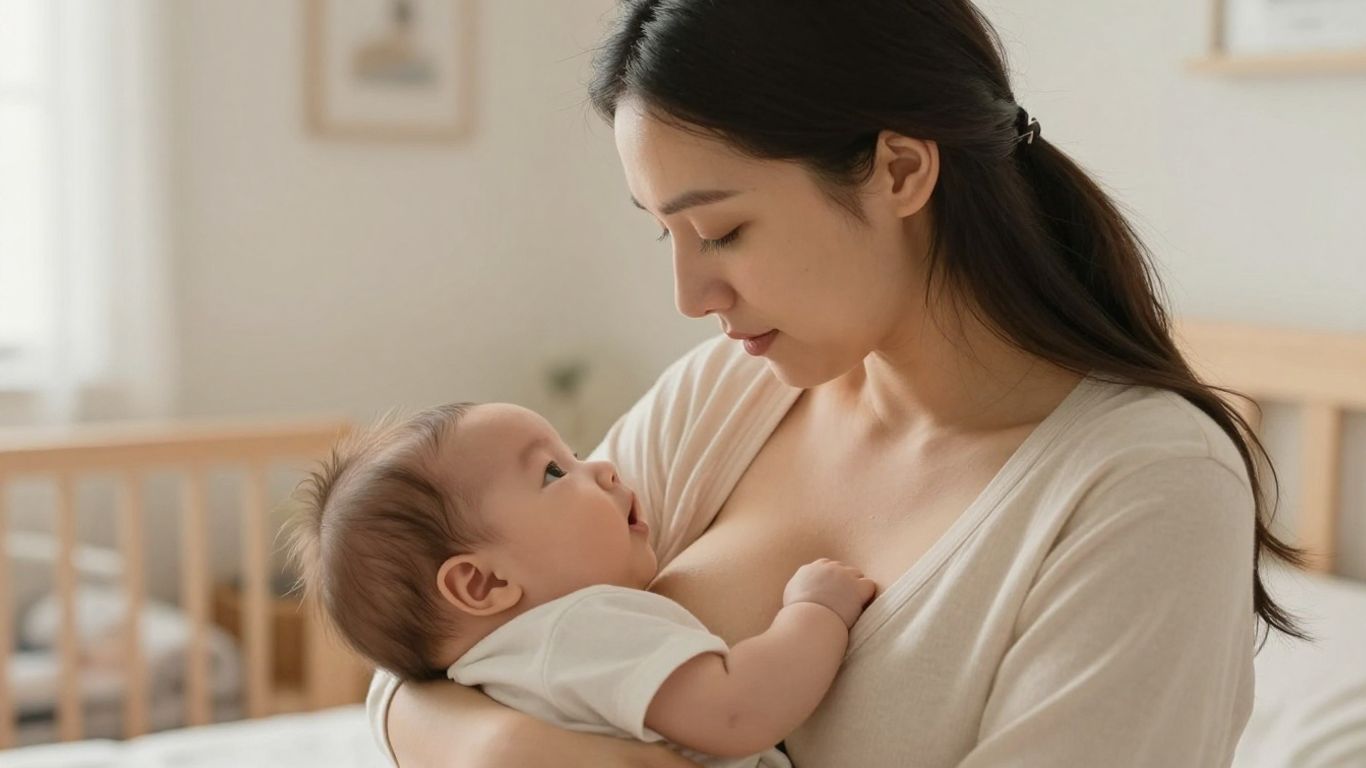
Breastfeeding isn’t always straightforward for mothers with PCOS. You might feel like everyone else is breezing through nursing, while you’re tackling a whole separate set of frustrations. The hormonal ups and downs, especially around insulin, play a big part in this.
Understanding Milk Supply Issues
Low milk supply happens to many women with PCOS, and you’re definitely not alone. The body’s response to insulin during and after pregnancy can affect how well the mammary glands work, often leading to smaller amounts of milk or milk coming in late. Here’s a breakdown of the most common milk supply issues:
| Challenge | Possible PCOS Impact |
|---|---|
| Low milk output | Insulin resistance can reduce supply |
| Delayed onset of milk | Hormonal imbalance causes late “coming in” |
| Difficulty with letdown | Stress and hormone levels slow response |
If these feel familiar, don’t blame yourself. PCOS is notoriously tough on milk production, but there are some things you can try to help, according to a San Diego lactation consultant and dietitian.
The Role of Insulin in Lactation
Insulin isn’t only about blood sugar—it’s a key player in breast milk production. When insulin levels stay high (a common issue with PCOS), it makes it harder for your body to release stored energy, so your body struggles to make enough milk. Modest, regular activity and keeping stress and processed sugar intake low can help stabilize things a bit.
- Stable insulin makes it easier to feed on demand
- Lower insulin can support steady milk output
- Stress management may also help hormone shifts
The difference one small change can make is surprising. Even walking after meals has a positive effect for some women.
Tips to Support Breastfeeding
Starting off on the right foot can help minimize stress and encourage milk production. Here are some practical steps:
- Let your baby nurse frequently—experts suggest 8–12 times every 24 hours to help stimulate production (nurse on demand).
- Consider using hands-on pumping if your baby isn’t latching well.
- Sleep when you can, eat balanced meals every few hours, and drink enough water.
- Build in light movement, like a short walk or gentle stretching, when possible.
- Get support from lactation consultants familiar with PCOS.
Breastfeeding with PCOS can take more patience, effort, and troubleshooting, but small steps each day do add up.
If you’re feeling stuck, know that you’re not failing—PCOS makes breastfeeding complicated for a lot of women, but small changes and getting the right support can make a big difference for you and your baby.
Mental Well-being and PCOS After Childbirth
Bringing a new baby home is a huge life change, and for moms with PCOS, the emotional rollercoaster can feel even more intense. It’s not just the lack of sleep and the new routines; hormonal shifts after birth can really stir things up, and there’s a growing awareness of the link between PCOS and postpartum depression. Many women with PCOS report feeling more down or anxious after giving birth compared to those without the condition. It’s a lot to handle, and you’re definitely not alone if you’re struggling.
The Link Between PCOS and Postpartum Depression
It’s true, studies suggest women with PCOS might have a higher chance of experiencing postpartum depression (PPD). This isn’t about being weak or not loving your baby; it’s about the complex interplay of hormones, genetics, and the immense stress of new motherhood. The hormonal fluctuations that happen after delivery can hit harder when you already have PCOS. Plus, dealing with persistent PCOS symptoms on top of everything else can just add to the overwhelm. Recognizing these feelings is the first step toward getting the right support.
Stress Management Techniques
Finding ways to de-stress is super important, even if it feels impossible right now. Little moments can make a difference.
- Ask for Help: Don’t try to do it all yourself. Lean on your partner, family, or friends. Even an hour of help can give you a breather.
- Schedule ‘Me Time’: Even 15-30 minutes a day can help. Maybe it’s a quiet cup of tea, a short walk, or just sitting in silence while someone else watches the baby.
- Mindful Moments: Try simple breathing exercises. When you’re feeding the baby or rocking them to sleep, focus on your breath for a minute or two. It can help ground you.
- Gentle Movement: Light exercise, like a short walk outdoors, can do wonders for your mood. It helps clear your head and reduces that feeling of being cooped up.
The postpartum period is a time of immense adjustment. Be patient and kind to yourself as you learn to manage your new role and any ongoing PCOS symptoms. Your mental health matters just as much as your physical health during this transition.
Seeking Support for Mental Health
If you’re feeling persistently sad, anxious, or overwhelmed for more than two weeks, please reach out to a healthcare professional. Talking to a doctor or a therapist specializing in postpartum issues can make a huge difference. They can help you understand what you’re going through and find effective ways to cope. Remember, seeking help is a sign of strength, not weakness. You can find resources for postpartum adjustment and professional guidance for PPD through therapy sessions with a mental health professional.
Natural Supplements for PCOS Postpartum Support
After giving birth, your body is going through a lot, and if you have PCOS, those changes can sometimes feel even more intense. While diet and exercise are super important, some women find that certain supplements can lend a helping hand in managing PCOS symptoms postpartum. It’s always a good idea to chat with your doctor before starting anything new, especially if you’re breastfeeding, but here are a few that often come up.
Key Supplements to Consider
There are several supplements that might help with common PCOS concerns. Think of them as extra support for your body as it recovers and adjusts.
- Inositol: This is a big one for many women with PCOS. It’s thought to help improve insulin sensitivity and can play a role in regulating ovulation. It comes in a couple of forms, myo-inositol and D-chiro-inositol, and sometimes they’re combined.
- Omega-3 Fatty Acids: Found in fish oil, these are great for reducing inflammation, which is often a factor in PCOS. They can also be good for your overall mood and heart health.
- Vitamin D: Many women with PCOS are low in Vitamin D. Getting enough of this vitamin is important for hormone regulation and immune function. Your doctor can check your levels.
- Zinc: This mineral is involved in hormone release and cell growth. Some studies suggest it might help with symptoms like high cholesterol and insulin resistance, which are common in PCOS. It’s also important for reproductive health.
- Probiotics: Keeping your gut healthy is linked to managing PCOS symptoms like insulin resistance and inflammation. Probiotics can help restore balance in your gut microbiome.
How Supplements Aid PCOS Management
These supplements work in different ways to support your body. For instance, inositol and zinc can help your body respond better to insulin, which is a common issue with PCOS. Omega-3s and probiotics focus on reducing inflammation and improving gut health, both of which can be beneficial. Vitamin D plays a role in many bodily functions, including hormone balance. Getting these nutrients from supplements can help fill gaps and provide targeted support.
Consulting Your Doctor About Supplements
It’s really important to talk to your healthcare provider before you start taking any new supplements, especially after giving birth and if you’re breastfeeding. They can help you figure out what might be best for your specific situation and make sure there are no interactions with other medications or conditions. They can also help you find a good gynecologist who understands PCOS. Remember, supplements are meant to supplement a healthy lifestyle, not replace it. They’re part of a bigger picture that includes good nutrition, regular movement, and managing stress.
Conclusion
It’s not uncommon for PCOS symptoms to ease up during pregnancy and even feel better after giving birth. While your hormones and cycle might improve, some symptoms can come back or even get tougher after your baby arrives. To make your time with your new little one smoother and more enjoyable, remember to get personalized advice and stick to the basic PCOS management tips we’ve talked about.
Frequently Asked Questions
Will my PCOS symptoms go away after I have my baby?
For some women, PCOS symptoms do get better after pregnancy. Hormones can settle down, and things might feel easier. But for others, symptoms can come back or even become more noticeable. It’s different for everyone, so keep an eye on how you’re feeling.
Is it harder to lose weight after having a baby if I have PCOS?
Yes, it can be. Many women with PCOS already deal with weight challenges because of how their bodies handle insulin. After giving birth, this can make losing weight feel like an uphill battle. Eating well and moving your body are super important, but be patient with yourself.
Can PCOS affect breastfeeding?
Sometimes, yes. Hormonal differences with PCOS can sometimes mean a lower milk supply or a delay in your milk coming in. It’s not a guarantee, but it’s something to be aware of. Talking to a lactation consultant can be really helpful if you run into issues.
What kind of exercises are safe after giving birth with PCOS?
Start slow and gentle. Walking, swimming, or doing some light yoga are great options. It’s really important to listen to your body and talk to your doctor before starting any new exercise routine. They can help you find safe ways to get moving.
Can I get postpartum depression if I have PCOS?
There’s a higher chance of experiencing mood changes like postpartum depression if you have PCOS. The hormonal shifts after birth, combined with the challenges of PCOS, can make you more vulnerable. If you feel sad, anxious, or overwhelmed for more than a couple of weeks, please reach out to your doctor.
Are there any supplements that can help with PCOS after pregnancy?
Some women find supplements like zinc, certain B vitamins, and probiotics helpful. These might help with things like hormone balance and gut health. But it’s a must to talk to your doctor before taking any supplements to make sure they’re right for you and won’t interfere with anything else.