Menstruation can come with some challenges, but knowing what to expect and how to manage it can help a lot. Here are a few things to remember:
Key Takeaways
- Period pain, heavy bleeding, and mood changes are common problems during menstruation.
- Hormonal changes, stress, and certain health conditions can affect your period.
- Good hygiene, like changing pads or tampons regularly, helps prevent infections.
- There are different treatments, from pain medicine to lifestyle changes, to help manage symptoms.
- See a doctor if your period problems are severe or don’t improve with home care.
Recognizing the Most Common Problems During Menstruation
Menstruation can look very different from person to person. Sometimes, figuring out what’s “normal” feels impossible, especially when symptoms get in the way of your daily routine. Spotting common problems early can help you manage them better and know when to look for help.
Painful Periods and Cramps
Cramping is probably the most talked-about symptom when it comes to periods. For some, it’s just a mild ache; for others, it means missing work or curling up in bed for hours. Most cramps, called dysmenorrhea, start with your period and may last a few days. Primary dysmenorrhea tends to show up in teens and usually gets less intense as you age, but secondary dysmenorrhea—caused by things like endometriosis or fibroids—can get worse over time.
Common signs that period pain could signal a bigger issue:
- Pain so strong you can’t do regular activities
- Pain lasting longer than the first few days of bleeding
- Heavy pain that worsens as you get older
If your cramps keep you from enjoying life, don’t chalk it up as “just part of having a period.” Getting the right diagnosis is important.
Heavy or Prolonged Bleeding
Some cycles come with a heavier flow, but menorrhagia—really heavy or long periods—can lead to exhaustion or even anemia. You might have this issue if:
- You need to change pads/tampons every hour for multiple hours in a row
- Bleeding lasts more than 7 days
- Large blood clots (bigger than a quarter) show up often
Here’s a quick table to spot when bleeding is considered heavy:
| Symptom | May Indicate Menorrhagia? |
|---|---|
| Bleeding longer than 7 days | Yes |
| Passing large blood clots | Yes |
| Using double protection often | Yes |
| Light bleeding for 3-5 days | No |
Learn more about these issues and how they relate to fertility in irregular or painful menstrual periods.
Irregular or Missed Menstrual Cycles
Having an unpredictable schedule might sound harmless, but irregular periods can signal underlying hormonal or medical problems. These are things to look out for:
- Frequently missing periods (amenorrhea)
- Cycles that change dramatically each month
- Periods that are much shorter or longer than usual
For some, travel, stress, or changes in weight can make periods wonky. If irregularity sticks around, though, it’s time to talk to someone.
Premenstrual Symptoms and Mood Changes
A lot of people experience premenstrual syndrome (PMS) with each cycle: mood swings, bloating, headaches, and fatigue. It can get severe (think PMDD) where anxiety and mood changes make daily life tough for weeks, not just days. What sets normal PMS apart from something to watch out for is how much it messes with your ability to function.
- Irritability or sadness that won’t go away
- Sleep or appetite issues every cycle
- Severe tension before every period
When PMS begins to affect relationships or work, it’s a sign it’s gone beyond “just hormones.” Many of these symptoms overlap with other menstrual disorders, so keeping a log of how you feel each month can be surprisingly helpful.
Most menstrual problems aren’t rare. As many as 1 in 4 experience them often. Take note—what’s normal for you, and when do things change? If you’re noticing any of these signs regularly or if they get worse, you might want to check out more about common menstrual disorders, or talk with your healthcare provider.
Understanding Underlying Causes of Menstrual Difficulties
It’s easy to just think of period problems as "just how it is," but there are often real reasons behind them. Understanding these can be the first step to feeling better. The whole menstrual cycle is a complex dance orchestrated by hormones, mainly estrogen and progesterone. When these hormones get out of whack, it can throw your cycle off in all sorts of ways.
Hormonal Imbalances and Their Effects
Hormonal imbalances are super common and can mess with your period in many ways. Think of it like a thermostat that’s not set right – sometimes it’s too hot, sometimes too cold. This can lead to periods that are too heavy, too light, irregular, or just plain painful. Conditions like Polycystic Ovary Syndrome (PCOS) are a prime example, where cysts on the ovaries and irregular periods go hand-in-hand with other symptoms. Managing these imbalances often involves looking at lifestyle factors, and sometimes medical intervention is needed to get things back on track. If you’re dealing with a demanding career and noticing your cycle is all over the place, there are programs designed to help restore regular menstrual cycles.
Structural Issues: Fibroids and Endometriosis
Sometimes, the problem isn’t just hormones; it’s something physical within the reproductive system. Uterine fibroids are non-cancerous growths that can pop up in or on the uterine wall. They can cause heavy bleeding and pelvic pain. Then there’s endometriosis, where tissue similar to the uterine lining grows outside the uterus. This tissue reacts to your cycle, causing inflammation, pain, and sometimes fertility issues. These conditions can make periods significantly more painful and bleeding much heavier than usual.
Impact of Lifestyle and Stress on Cycle Regularity
Don’t underestimate the power of your daily life on your cycle! High stress levels, significant weight changes, extreme exercise routines, and even changes in sleep patterns can all disrupt the delicate hormonal balance that governs menstruation. It’s not uncommon for periods to become irregular or even stop altogether when someone is under a lot of pressure. Your body is smart, and it will signal when it’s overwhelmed.
Here’s a quick look at how lifestyle can play a role:
- Stress: Chronic stress can interfere with the hormones that trigger ovulation and menstruation.
- Nutrition: Poor diet or drastic calorie restriction can lead to irregular cycles.
- Exercise: Overtraining without adequate rest and nutrition can cause periods to stop (amenorrhea).
- Sleep: Disruptions to your sleep schedule can affect hormone regulation.
If you’re experiencing persistent or concerning changes in your menstrual cycle, it’s always a good idea to talk to a doctor to figure out what’s going on and what steps you can take. Irregular periods can have many causes, and getting a proper diagnosis is key.
Sometimes, the simplest changes can make a big difference. Paying attention to how your body feels and what might be contributing to your symptoms is a powerful first step toward managing your menstrual health.
Identifying Symptoms That Indicate a Problem During Menstruation
It’s not always easy to decide when something about your period is a real concern. Sure, small changes are normal, but certain symptoms can mean something more is going on with your cycle or your health overall. Here’s what you need to look for:
Severe or Unusual Menstrual Pain
- It’s typical to get some cramps before or during your period, but pain that disrupts your life is another story. Severe, stabbing, or constant pain shouldn’t be ignored.
- Pain that doesn’t get better with over-the-counter meds (like ibuprofen) or feels different from your usual cramps may point to conditions like endometriosis or fibroids.
- Watch for pain that starts before your period and continues even after bleeding stops. This could signal something beyond ‘normal’ cramps. For more detailed insights into pain and related symptoms, check out this breakdown of symptoms you might experience during your cycle.
Excessive Blood Loss and Blood Clots
- Needing to change your pad or tampon every hour for several hours, or passing clots larger than a quarter, is not typical.
- Heavy flow can lead to low iron or anemia, making you feel tired or weak even after your period.
- Pay attention if your period lasts longer than 8 days or is suddenly a lot heavier than you’re used to.
A quick table to help recognize when bleeding is excessive:
| Symptom | Normal Range | Possible Warning Sign |
|---|---|---|
| Period length | 2-7 days | More than 8 days |
| Pad/tampon change | Every 4-8 hours | Every 1-2 hours (soaking) |
| Blood clots | Small, occasional | Large, frequent |
Unexplained Changes in Cycle Timing
- A period showing up early, late, or skipping a month can happen, especially with stress or illness. But if your cycles are always irregular or change suddenly, it’s time to track what’s happening.
- Missing periods for more than three months when you aren’t pregnant or skipping cycles regularly can mean hormonal or thyroid problems, or something else entirely.
- Notice if your cycles become unpredictable after years of regularity; this deserves attention.
If you’re experiencing any of these symptoms—especially if they’re new for you—it may be a sign of a menstrual disorder or other underlying health issue. It’s always a good idea to track your symptoms and talk to your healthcare provider, even if you aren’t sure something’s wrong. Early action can make a big difference.
For those who also struggle with mood swings or feeling off before their period, the topic of premenstrual syndrome dives into potential emotional and physical shifts to watch for alongside cycle changes.
Best Practices for Menstrual Hygiene and Preventing Infections
Keeping clean during your period isn’t just about feeling fresh; it’s a really important part of staying healthy and avoiding any unwelcome infections. Think of it as basic self-care that makes a big difference.
Changing Menstrual Products Regularly
This is probably the most talked-about tip, and for good reason. Leaving a pad or tampon in for too long can create a damp environment where bacteria and fungi just love to hang out. This can lead to skin irritation, rashes, and even more serious infections. The exact timing depends on your flow, but it’s generally a good idea to change disposable pads every few hours, or more often if they feel saturated. For tampons, aim for every 4 to 8 hours – never more than 8 hours. If you’re using reusable options like period underwear or menstrual cups, follow the manufacturer’s specific cleaning and changing instructions. Consistency is key to preventing issues.
Proper Cleaning Techniques for Genital Health
When it comes to keeping your vulva clean, less is often more. The vagina is a self-cleaning organ, and douching or using harsh soaps can actually mess with its natural pH balance, making it more prone to infections like yeast infections or bacterial vaginosis. Stick to washing the external genital area (your vulva) with plain water or a very mild, unscented soap. Always wipe from front to back after using the toilet to avoid spreading bacteria from the anus to the urethra. This simple habit can significantly reduce your risk of urinary tract infections too.
Selecting Safe Menstrual Hygiene Products
When you’re shopping for pads, tampons, or other menstrual products, pay attention to what’s inside. Scented products might smell nice, but those fragrances can be irritating to sensitive skin and can disrupt your natural balance. Opting for unscented versions is usually a safer bet. Also, consider the absorbency level. Using a super-absorbent tampon when you have a light flow isn’t necessary and can lead to dryness and irritation. It’s best to use the lowest absorbency that meets your needs. If you’re curious about different types of products, exploring options like menstrual cups or discs might be a good idea for long-term comfort.
Maintaining good menstrual hygiene is a proactive step towards overall well-being. It involves simple, consistent practices that support your body’s natural processes and help prevent common discomforts and infections during your period.
Treatment Options for Managing Problem During Menstruation
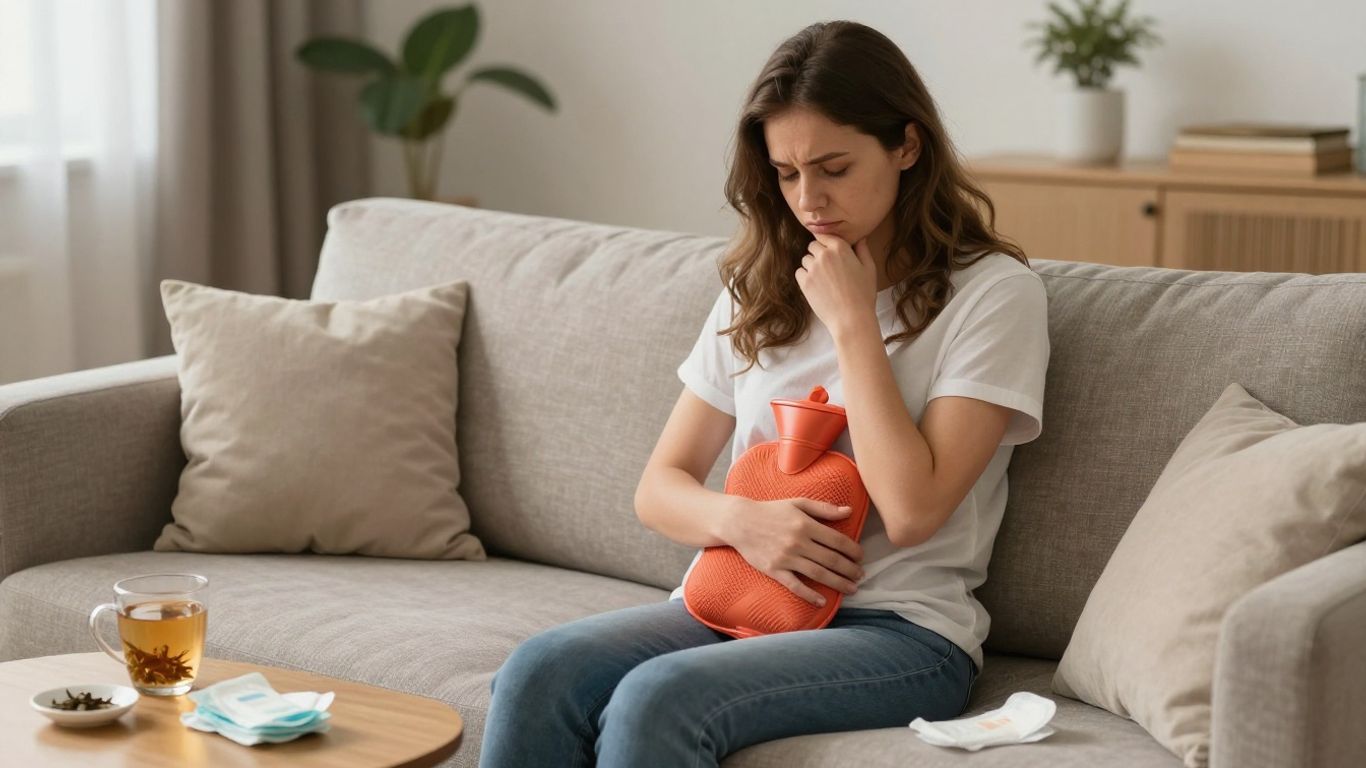
When menstrual symptoms start interfering with daily life, it helps to know what can be done, both at home and with professional help. There’s no one-size-fits-all approach, but several effective treatments are available. This section breaks down the main choices, including medications, hormonal options, and surgical procedures.
Over-the-Counter Medications for Pain Relief
For most people, cramps and general discomfort are the toughest symptoms. Some pain might be normal, but you don’t have to tough it out every month. OTC medications, especially nonsteroidal anti-inflammatory drugs (NSAIDs) like ibuprofen or naproxen, can help:
- Lower pain and reduce uterine inflammation
- Lessen muscle cramps
- Help control heavy bleeding when taken at symptom onset
For some, acetaminophen helps too, but NSAIDs are usually more effective for menstrual pain. It’s important to read the dosing instructions and not to exceed the recommended amount.
Consistency is key—taking pain medicine as soon as symptoms start works better than waiting until you’re already in pain.
Hormonal Therapies to Regulate Cycles
If your periods are heavy, irregular, or come with strong mood shifts, hormonal therapies can smooth things out. Birth control pills, patches, and hormonal IUDs help balance your cycle, making bleeding lighter and periods more predictable. In certain cases—especially with significant mood changes or diagnosed PMDD—prescribed medications can specifically target hormone fluctuations. For example, Yaz as a treatment for PMDD is FDA-approved and well-established.
Here’s a quick look at hormonal options:
| Method | How it Helps |
|---|---|
| Birth control pill | Regulates cycle, lessens flow |
| Hormonal IUD | Reduces heavy bleeding |
| Contraceptive patch | Smoothes out hormone swings |
| Injections | Prolongs symptom relief |
If you’re considering these, your doctor can match the right option to your symptoms. They can also include additional drugs if mood-related symptoms are severe; some treatments use antidepressant or anti-anxiety medications for complex cases.
Surgical Procedures for Severe Disorders
In a few cases—when medicines don’t help or bleeding becomes overwhelming—surgical treatment might be suggested. Common procedures for tough menstrual problems include:
- Endometrial ablation: reduces the uterine lining to control bleeding
- Myomectomy: removes fibroids that cause pain or heavy periods
- Hysterectomy: removes the uterus completely (only for the most severe cases)
Surgery is not the first choice, and doctors will exhaust less invasive treatments first. Most people never need it, but for those who do, surgery can be life-changing.
Whether it’s OTC pain relief, hormones, or surgical options, finding the right approach often takes some trial and error. If you feel stuck or nothing seems to work, a healthcare provider can guide you to the next step and tailor the plan just for you.
Lifestyle Adjustments to Minimize Problem During Menstruation
Sometimes, the best way to deal with period woes isn’t a pill or a doctor’s visit, but simply tweaking how you live day-to-day. Making some smart changes can really make a difference in how you feel during your cycle. It’s all about finding what works for your body and helps you feel more comfortable.
Exercise, Nutrition, and Stress Management
Getting your body moving, eating well, and keeping stress in check are big players when it comes to managing menstrual issues. Regular physical activity, even just a brisk walk, can help ease cramps and boost your mood. Think of it as giving your body a natural pain reliever. When it comes to food, focusing on whole, unprocessed items can help. Some people find that cutting back on salt, sugar, and caffeine helps reduce bloating and mood swings. And stress? It’s a known disruptor of cycles, so finding ways to relax is key. This might mean setting aside time for hobbies, spending time with loved ones, or just taking a few deep breaths when things feel overwhelming. Remember, your menstrual cycle is a valuable marker for your overall health, so paying attention to these lifestyle factors is a good idea.
Using Heat Therapy for Cramps
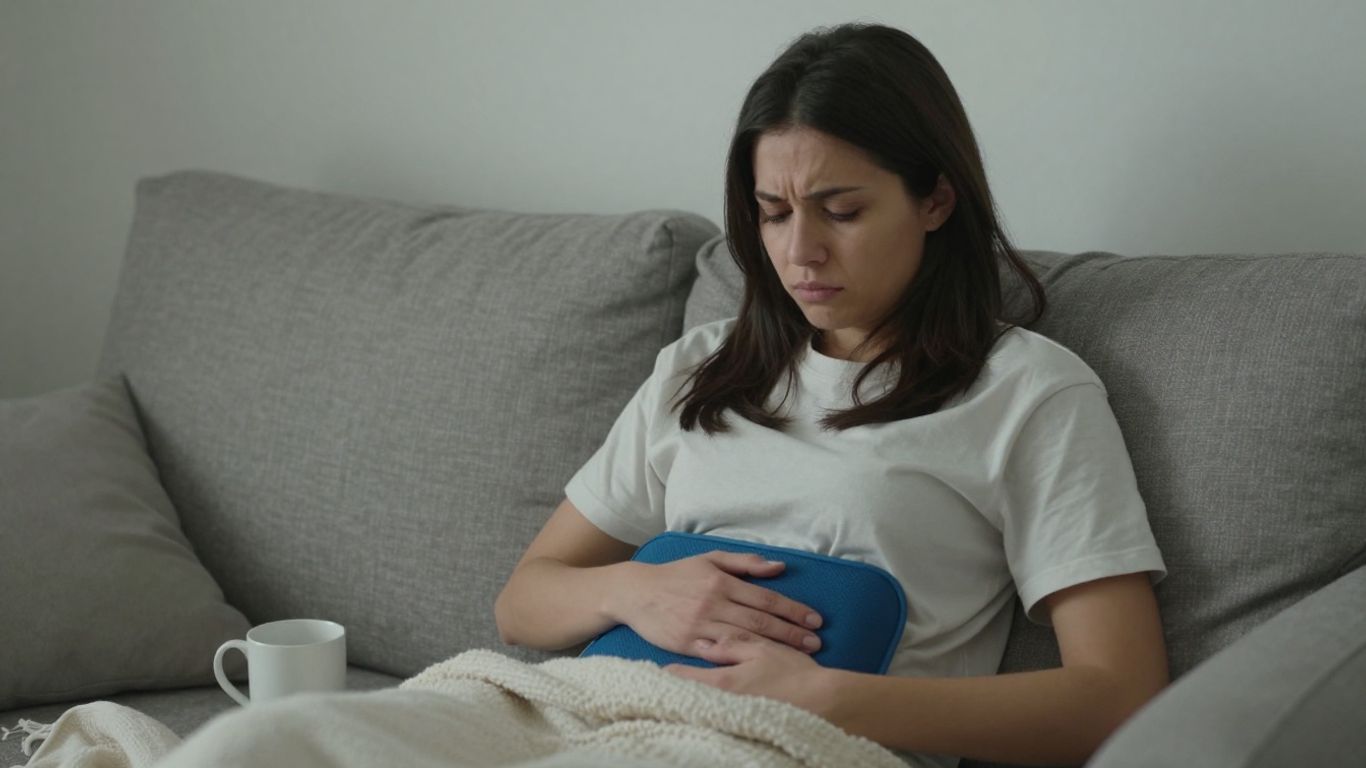
Ah, the trusty heating pad. For many, this is a go-to for soothing menstrual cramps. Applying gentle heat to your lower abdomen or back can help relax tense muscles and ease that achy feeling. You can use a traditional heating pad, a warm water bottle, or even a warm bath. It’s a simple, non-invasive method that offers a lot of relief for many.
Alternative Methods: Yoga and Relaxation Techniques
Beyond just exercise, specific practices like yoga and meditation can be incredibly beneficial. Certain yoga poses are known to help relieve pelvic tension and promote blood flow, which can ease discomfort. Even just a few minutes of deep breathing or mindfulness can help calm your nervous system and reduce the perception of pain. These methods focus on connecting your mind and body, which can be really helpful when you’re feeling out of sorts due to your period. Exploring these options can lead to a more peaceful experience during menstruation.
Making consistent, positive lifestyle changes can significantly impact your menstrual well-being. It’s not about drastic overhauls, but rather incorporating small, sustainable habits that support your body’s natural rhythms. Pay attention to how different foods, activities, and stress levels affect you, and adjust accordingly. This personalized approach is often the most effective way to minimize menstrual problems.
When to Seek Medical Help for Menstrual Concerns
Paying attention to menstrual symptoms is sometimes simple, but knowing when to see a doctor isn’t always obvious. Many people experience changes from month to month, but some signals shouldn’t be ignored.
Persistent Symptoms Despite Treatment
If you’ve tried pain relief, healthy habits, or at-home remedies and your period symptoms still stick around—or even get worse—it’s a good idea to check in with a healthcare provider. Here are a few signs that might mean something more is going on:
- Pain so bad it stops you from going to work, school, or doing normal activities
- Cramps that don’t get better with over-the-counter medicine like ibuprofen
- Heavy bleeding that leads to feeling weak, dizzy, or short of breath
Ongoing symptoms that don’t improve with basic treatments should be taken seriously. Menstrual pain guidelines outline key warning signs.
Menstrual Problems Affecting Daily Activities
It’s not normal for your period to disrupt your whole routine every month. Severe cramps, headaches, or mood changes that keep you in bed or away from social situations should signal a possible problem. You may also notice:
- Needing to change pads or tampons every hour for several hours
- Bleeding that lasts more than a week
- Passing large blood clots
If your period is making daily life difficult, don’t hesitate to talk with your doctor.
| Symptom | Possible Concern |
|---|---|
| Missed periods | Hormonal issue |
| Severe pain (not relieved) | Fibroids or endometriosis |
| Heavy bleeding, big clots | Bleeding disorder, fibroids |
Tracking and Reporting Menstrual Changes to Your Doctor
Start jotting down details about your menstrual cycle before your appointment. Simple notes or a tracker app can help you notice patterns in timing, flow, pain, and mood swings. Bring this information to your doctor’s visit—it helps them find the best way to help you. Mention:
- How often your symptoms happen
- What you’ve already tried for relief
- Any new or unusual changes in your cycle
If you’re unsure whether your symptoms are normal, remember that it’s always okay to ask your doctor for advice—especially if your period is interfering with the way you live day-to-day.
Unexplained pelvic pain outside your usual cycle is also something you shouldn’t ignore. Get more insight from information on pelvic pain.
Conclusion
Dealing with a problem during menstruation can be tough, but you’re definitely not alone. A lot of people face pain, heavy bleeding, or changes in their cycle at some point. The good news is that there are plenty of ways to help manage these issues, from simple home treatments to seeing a doctor if things get too hard to handle. Paying attention to your body, keeping good hygiene, and making small changes in your routine can really make a difference. If your symptoms don’t get better or start to mess with your daily life, don’t hesitate to reach out to a healthcare provider. Taking care of your menstrual health is just as important as any other part of your well-being.
Frequently Asked Questions
What is a normal period supposed to look like?
Most periods last between 3 and 7 days. The blood can be bright red or dark brown. Some cramping and mood changes are normal, but pain that stops you from doing things is not.
Why do I get cramps during my period?
Cramps happen because your uterus is squeezing to help push out its lining. Sometimes, the pain can be strong, but many people feel just a little discomfort.
Is it okay if my period is late or early sometimes?
Yes, small changes in your cycle are normal, especially if you’re stressed, sick, or have changed your routine. If your period keeps changing or stops for a long time, talk to a doctor.
How often should I change my pad or tampon?
It’s a good idea to change your pad every 4 hours and your tampon every 4 to 8 hours. This keeps you clean and helps stop infections.
Can I exercise during my period?
Yes, you can exercise! Moving around can even help with cramps and make you feel better. Just listen to your body and rest if you need to.
When should I see a doctor about my period?
See a doctor if you have really bad pain, very heavy bleeding, or your period stops for several months. It’s always better to ask if you’re worried.