You check your calendar and realize your period is 18 days Female Menses Problem overdue. Or perhaps it arrived twice this month, accompanied by agonizing cramps and an unexpectedly heavy flow.
Panic settles in quickly. Online searches throw up confusing medical terminology—ranging from thyroid imbalances and polycystic ovaries to early menopause—leaving you anxious and uncertain about what is happening inside your body.
Cycle disruptions are common, but they should never be ignored. At Karthika Woman & Child Care, we take the guesswork out of reproductive health. By systematically decoding complex cycle variations, our specialists identify root causes and craft targeted treatment plans to restore your hormonal balance and peace of mind.
Decoding the Causes Behind Persistent Period Issues
A healthy menstrual cycle relies on precise communication between your brain, pituitary gland, and ovaries. When this delicate feedback loop breaks down, your cycle length, flow, or duration shifts unpredictably. Understanding these underlying mechanisms helps separate temporary hormonal fluctuations from underlying medical conditions.
Polycystic Ovary Syndrome (PCOS)
PCOS remains one of the primary drivers of irregular periods in reproductive-aged women. Elevated androgen levels and insulin resistance disrupt normal ovulation, causing follicles to remain underdeveloped. This often manifests as missed periods, prolonged cycles (>35 days), or unpredictable spotting.
Structural Lesions: Fibroids and Adenomyosis
When period issues involve excruciating pain and unusually heavy bleeding, uterine structural changes are frequently responsible. Uterine fibroids (benign muscular growths) and adenomyosis (endometrial tissue growing into the uterine wall) enlarge the uterine cavity and impair muscle contractions, preventing the organ from efficiently stopping menstrual blood flow.
Endocrine Imbalances
- Thyroid Dysfunction: Both hypothyroidism (sluggish thyroid) and hyperthyroidism (overactive thyroid) alter estrogen processing, leading to light, absent, or abnormally heavy bleeding.
- Hyperprolactinemia: Elevated levels of prolactin—the hormone responsible for milk production—suppress GnRH (gonadotropin-releasing hormone), effectively shutting down ovulation.
- Premature Ovarian Insufficiency (POI): Early depletion of ovarian reserves before age 40 causes severe estrogen deficiency, leading to skipped periods and hot flashes.
The “Red Flag” Symptom Matrix: Observe vs. Rush to the Clinic
Not every cycle delay warrants an emergency room visit. However, knowing when to monitor your symptoms at home versus when to seek immediate medical evaluation is critical for your safety.
| Risk Category | Symptoms & Observations | Recommended Action Plan |
| Green: Low Risk (Observe) | • Cycle delayed by 3 to 7 days after acute stress or travel. • Minor, isolated light spotting mid-cycle. • Mild dysmenorrhea manageable with routine analgesics. | Track cycle parameters for 2–3 months using a period app or journal. Maintain hydration and stress management. |
| Yellow: Medium Risk (Schedule Consultation) | • Cycles consistently shorter than 21 days or longer than 35 days. • Bleeding that lasts more than 8 continuous days. • Soaking through one sanitary pad or tampon every hour for two consecutive hours. • Intermenstrual bleeding (spotting between periods) occurring across consecutive cycles. | Schedule a non-emergency clinical evaluation with a gynecologist within 1–2 weeks for bloodwork and ultrasound screening. |
| Red: High Risk (Urgent / Emergency Evaluation) | • Sudden, unbearable pelvic or abdominal pain. • Passing blood clots larger than the size of a lemon. • Dizziness, fainting, extreme pallor, or shortness of breath (signs of acute anemia). • Foul-smelling vaginal discharge accompanied by high fever (>101°F). • Any vaginal bleeding in postmenopausal women. | Seek immediate emergency medical care. Do not wait for a routine appointment. |
Interactive Symptom Risk Assessment
To help clarify your current symptoms, use the interactive calculator below to evaluate whether your symptom profile suggests routine monitoring or specialist intervention.
Clinical Diagnostics: How Specialists Pinpoint the Issue
Self-diagnosing a complex periods problem based on symptoms alone often leads to wrong conclusions. Specialist gynecologists use a structured, evidence-based diagnostic protocol to isolate the precise physiological trigger.
- Targeted Endocrine & Metabolic Panels: Blood tests measure basal levels of FSH, LH, Estradiol, Serum Prolactin, TSH, Free Testosterone, and Fasting Insulin to map your pituitary-ovarian-metabolic axis.
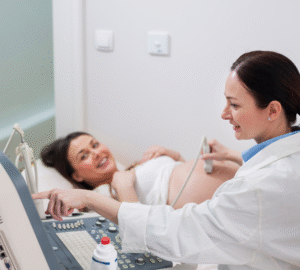
- High-Resolution Transvaginal Ultrasound (TVS): TVS provides clear visualization of the endometrial thickness, ovarian morphology (antral follicle count), and any underlying structural issues like submucosal fibroids or adenomyotic lesions.
- Diagnostic Hysteroscopy: For unexplained uterine bleeding, a micro-camera is inserted through the cervix into the uterine cavity, allowing direct visual examination and targeted tissue biopsy of endometrial pathology.
- Laparoscopic Evaluation: When deep infiltrating endometriosis or pelvic adhesions are suspected as the primary cause of chronic pain and irregular bleeding, minimally invasive laparoscopy offers definitive diagnosis and immediate treatment.
Personalized Treatment Pathways at Karthika Care
Effective resolution of any female menses problem requires a tailored approach aligned with your age, symptom severity, and reproductive goals.
- Medical & Hormonal Regulation: Cyclical progesterone therapy, combined oral contraceptives, or non-hormonal anti-fibrinolytic agents (like tranexamic acid) effectively manage heavy flow and re-establish regular shedding cycles.
- Metabolic Optimization: For PCOS-related anovulation, combining insulin-sensitizing agents (metformin) with evidence-based lifestyle modifications restores spontaneous ovulation in over 60% of patients.
- Minimally Invasive Surgery: Advanced operative hysteroscopy and laparoscopy allow precise removal of fibroids (myomectomy), endometrial polyps, or ovarian cysts while preserving long-term uterine and ovarian function.
- Fertility Alignment: If your goal is conception, ovulation induction protocols (utilizing letrozole or clomiphene) combined with follicular tracking ensure optimal timing for natural conception, IUI, or IVF.