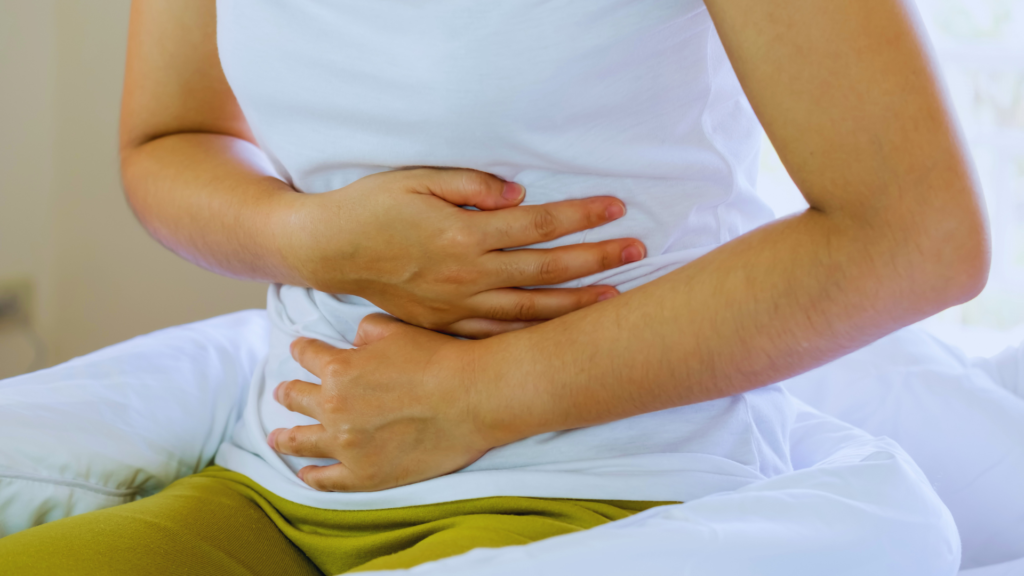
You know the exact moment it hits. Problem During Menstruation The sudden, agonizing pelvic cramping that forces you to cancel your entire day. A heating pad and standard ibuprofen do absolutely nothing. When you are nauseous from the sheer intensity of the pain, sweating through your clothes, and physically unable to stand straight, generic advice to just “take it easy” feels dismissive. Facing a severe problem during menstruation isn’t just about discomfort; it is a debilitating medical event that derails your life.
We hear you, and we understand the physiological reality of your distress. At Karthika Woman & Childcare in Bengaluru, Dr. Divya Venugopalan treats chronic pelvic pain aggressively. When your baseline period issues escalate into severe flare-ups—often driven by conditions like adenomyosis, endometriosis, or severe fibroids—you need an immediate, targeted clinical response that goes far beyond standard over-the-counter NSAIDs.
The Physiology of a Severe Flare-Up
Why do standard treatments fail? When a condition like adenomyosis acts up, the endometrial tissue embedded deep within the uterine muscle walls bleeds and swells. This creates immense localized pressure. Your body responds by flooding the pelvic region with prostaglandins—lipids that trigger aggressive uterine contractions.
These severe contractions restrict blood flow to the uterus, causing localized ischemia (oxygen deprivation). The ischemic pain triggers a secondary reaction: your pelvic floor muscles involuntarily spasm and lock down, compressing major pelvic nerves like the pudendal nerve. Suddenly, you aren’t just dealing with uterine pain; you are experiencing systemic neurological and muscular distress.
Immediate Action Plan: Interrupting the Pain Cycle
When you are in the middle of a severe episode, the goal is to break the feedback loop between inflammation, muscle spasm, and nerve irritation.
- Staggered Analgesic Protocols: Instead of taking a single painkiller, clinical management often requires overlapping different classes of medication. A physician might recommend alternating a prescription-grade NSAID (which targets prostaglandins) with an antispasmodic medication to force the uterine muscle to relax.
- Targeted Heat Delivery: Surface heat does little. Transcutaneous electrical nerve stimulation (TENS) devices block pain signals from reaching the brain by overwhelming the nerve pathways with mild electrical impulses.
- Acute Pelvic Down-Training: Consciously releasing the pelvic floor is nearly impossible during a flare-up. Diaphragmatic “belly breathing” pushes the diaphragm down, which mechanically forces the hyper-contracted pelvic floor muscles to stretch and release pressure on trapped nerves.
Advanced Clinical Interventions for Chronic Pelvic Pain
If you routinely find yourself navigating severe flare-ups, reactive care is insufficient. You need a proactive, interventional pain management strategy.
Neuromodulation and Nerve Blocks
For patients whose period issues involve severe, shooting pain down the legs or lower back, the pelvic nerves are highly sensitized.
- Pudendal Nerve Blocks: A long-acting local anesthetic is injected directly into the pudendal nerve canal. This shuts down the pain pathway instantly, offering immediate relief and resetting the nervous system’s pain threshold.
- Presacral Neurectomy: In severe cases, a minimally invasive laparoscopic procedure can sever the specific nerve fibers that carry pain signals from the uterus to the brain, drastically reducing central pelvic pain.
Pelvic Floor Physical Therapy & Trigger Point Injections
Years of painful periods train your pelvic muscles to remain in a constant state of guarding (high-tone pelvic floor dysfunction).
Advanced pelvic floor physical therapy does not mean Kegels—which actually worsen high-tone dysfunction. Instead, the focus is on myofascial release and down-training. If manual therapy isn’t enough, we utilize trigger point injections. By injecting a local anesthetic or Botox directly into the spasming pelvic floor muscles, we force the tissue to paralyze temporarily and relax, breaking the chronic pain cycle.
Medical Suppression and Surgical Pathways
Halting the menstrual cycle entirely is often the most effective way to starve the flare-up of the hormones that fuel it.
- High-Dose Progestins: Continuous administration shrinks aberrant tissue and prevents the hormonal fluctuations that trigger bleeding.
- GnRH Antagonists: These medications put the body into a temporary, reversible menopausal state, aggressively shutting down ovarian estrogen production to give the pelvis time to heal.
- Minimally Invasive Surgery: When tissue scarring (adhesions) physically fuses pelvic organs together, laparoscopic excision by an expert like Dr. Divya is required to restore normal anatomy and function.
Comparing Advanced Pain Management Strategies
| Treatment Protocol | Target Mechanism | Best For | Typical Relief Timeline |
| Nerve Blocks (e.g., Pudendal) | Interrupts nerve signals to the brain | Shooting nerve pain, deep dyspareunia | Immediate (hours to days) |
| Pelvic Floor Trigger Point Injections | Forces spastic muscles to release | Chronic pelvic tension, cramping that outlasts the period | Days to weeks |
| Continuous Hormonal Suppression | Halts estrogen production and bleeding | Adenomyosis, heavy bleeding, endometriosis | 1 to 3 months |
| TENS / Neuromodulation | Overwhelms pain receptors electrically | Acute flare-up management at home | Immediate while device is on |
| Laparoscopic Excision | Removes diseased tissue and scar bands | Anatomical distortion, organ tethering | Post-surgical recovery (4-6 weeks) |
Frequently Asked Questions
Why do NSAIDs stop working for my period pain?
Over time, chronic inflammation alters how your central nervous system processes pain, a phenomenon known as central sensitization. Furthermore, if your pain is driven by nerve compression or muscle spasms, NSAIDs (which solely target inflammation) cannot address the root mechanical cause.
Is pelvic floor therapy just Kegel exercises?
No. For severe menstrual pain, Kegels are highly counterproductive. Advanced pelvic floor therapy involves internal and external myofascial release, trigger point deactivation, and down-training to relax chronically tight muscles.
Can adenomyosis flare-ups be cured without a hysterectomy?
While a hysterectomy is the only definitive cure for adenomyosis, symptoms can be aggressively managed and suppressed. Options like Uterine Artery Embolization (UAE), hormonal suppression, and nerve blocks provide significant quality-of-life improvements without removing the uterus.
When should I seek emergency care for menstrual pain?
Go to the ER or contact your specialist immediately if your pain is accompanied by a high fever, sudden uncontrollable vomiting, fainting, or pain that is localized sharply to one side, as these can indicate a ruptured cyst, torsion, or severe infection.