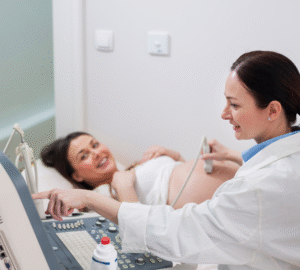
If you’re thinking about getting a fertility check up near you, here are some things to remember.
Key Takeaways
- Fertility check ups usually start with a talk about your health history and concerns.
- There are many different tests for both men and women, from blood work to ultrasounds.
- Choosing a clinic means looking at reviews, success rates, and what services they offer.
- Insurance and payment plans can help make check ups and treatments more affordable.
- Healthy habits like good food and less stress can support your fertility journey.
Understanding What Happens During a Fertility Check-Up Near Me
So, you’ve decided to book a fertility check-up. If you’re like most folks, you’re probably wondering what happens at these appointments. A fertility check-up is not just a quick test, but a series of steps designed to get a full picture of your reproductive health. Here’s what to expect when you head into your local clinic.
The Initial Consultation and Medical History
The first visit starts with a talk—not needles or scans. The doctor will ask you lots of questions about:
- Your period cycle (if you have one)
- How long you’ve been trying to get pregnant
- Past pregnancies, miscarriages, or terminations
- Any major illnesses or surgeries
- Lifestyle habits like smoking, drinking, and exercise
If you’ve brought your partner, the clinic will want details about their medical background, too.
The more honest and open you can be about your health and habits, the better the clinic can help.
Clinics that focus on patient-centered care, like Karthika Woman and Child Care, often set aside time for these conversations to make sure nothing gets missed.
Diagnostic Tests and Procedures
After talking through your history, your doctor will suggest some tests. This can feel like a lot, but each test has a reason:
- Blood tests to check hormone levels
- Ultrasound scan to view ovaries, uterus, and sometimes fallopian tubes
- Semen analysis for male partners
- Additional tests if something unusual pops up during your check-up
Here’s a quick table with common tests and what they check for:
| Test Type | Purpose |
|---|---|
| AMH/FSH Bloodwork | Ovarian reserve and egg supply |
| Ultrasound | Uterine shape, ovarian cysts, follicle count |
| Semen Analysis | Sperm quality and count |
| Thyroid Panel | Checks thyroid function (can affect fertility) |
Some clinics might go a bit further, like using advanced imaging or special hormone tests. You’ll usually get a clear plan after the first round of results. For details on which hormone levels are measured, see fertility hormone tests.
Discussing Common Fertility Concerns
Last, your doctor should make time to talk through what all these tests mean. Common concerns that might come up are:
- Irregular or missed periods
- Signs of ovulation (or lack of)
- The role of age and egg quality
- Male factor issues (like low sperm count or motility)
- How conditions like endometriosis or PCOS could factor in
If you have worries—maybe you’ve heard myths or feel nervous—don’t be shy about bringing them up.
A fertility check-up is as much about getting answers as it is about starting a plan. Walking out, most people feel relieved to finally know what’s going on, and to have real, next steps.
What to Look for in a Local Fertility Clinic

Choosing the right fertility clinic is a big step, and it’s totally normal to feel a bit overwhelmed. You want a place that feels right, where you feel heard and understood. So, what should you be looking for?
Evaluating Clinic Success Rates and Reviews
Success rates are often the first thing people check, and for good reason. These numbers give you an idea of how often a clinic helps people achieve pregnancy. However, it’s important to look at these rates critically. Are they for live births, or just pregnancies? Do they break down success by age or specific treatments? Don’t just look at the headline numbers; dig a little deeper.
Online reviews can also be super helpful. Reading about other people’s experiences can give you a feel for the clinic’s atmosphere, how the staff communicates, and the overall patient journey. Look for patterns in the reviews – are multiple people mentioning the same positive or negative points?
Checking Credentials and Patient Care
Who are the doctors and staff? Make sure the clinic has board-certified reproductive endocrinologists and other specialists. You can usually find this information on their website. It’s also worth checking if they are affiliated with reputable medical institutions or research programs.
Beyond the medical side, patient care is huge. How does the clinic handle communication? Do they have a dedicated nurse or coordinator for your case? Do you feel comfortable asking them questions, even the ones that seem silly? A good clinic will make you feel supported and respected throughout what can be a really emotional process.
Assessing Available Services and Technology
Does the clinic offer the specific services you might need? Some clinics focus on basic treatments, while others have advanced technologies like PGT (preimplantation genetic testing) or specialized procedures for male factor infertility. Think about what your potential needs might be down the road and if the clinic can accommodate them.
Here’s a quick rundown of common services:
- Diagnostic Testing: Blood work, ultrasounds, semen analysis.
- Assisted Reproductive Technologies (ART): IVF, ICSI, IUI.
- Fertility Preservation: Egg, sperm, and embryo freezing.
- Genetic Testing: PGT-A, PGT-M.
Also, consider the technology they use. Are their labs state-of-the-art? This can make a difference in treatment outcomes. For example, clinics like Aspire HFI often highlight their advanced lab capabilities.
Finding a clinic that aligns with your personal values and comfort level is just as important as their medical credentials. Trust your gut feeling when you visit or speak with them.
Types of Fertility Tests and Evaluations Available Locally
So, you’re thinking about getting a fertility check-up. That’s a smart move, whether you’re planning ahead or have been trying for a while. But what exactly goes into one of these check-ups? It’s not just one single test; it’s usually a combination of things designed to get a clear picture of your reproductive health.
Hormonal and Blood Tests
These are super common and give doctors a lot of information. For women, they often check hormone levels like FSH (follicle-stimulating hormone), LH (luteinizing hormone), estrogen, and progesterone. These hormones play a big role in ovulation and the menstrual cycle. Sometimes, they’ll also test for thyroid function and prolactin levels, as issues with these can affect fertility. For men, blood tests can check hormone levels like testosterone and FSH, which are important for sperm production. These tests are usually done at specific times during your menstrual cycle for women, so your doctor will guide you on when to schedule them.
Imaging and Ultrasound Assessments
Beyond blood work, imaging is key. Ultrasounds are frequently used to look at the uterus and ovaries in women. They can help identify things like fibroids, polyps, or cysts that might be getting in the way. A transvaginal ultrasound, where a small probe is inserted into the vagina, gives a really detailed view. For men, while less common, ultrasounds might be used to check the testicles and surrounding structures if there are concerns about sperm production or blockages. Sometimes, a hysterosalpingogram (HSG) is done, which is an X-ray using a special dye to see if the fallopian tubes are open.
Specialized Male and Female Fertility Testing
There are also more specific tests depending on what might be going on. For women, this could include checking ovarian reserve to see how many eggs are left, or tests to evaluate the uterine lining. Sometimes, a laparoscopy might be recommended, which is a minimally invasive surgery to look for conditions like endometriosis or scar tissue inside the pelvis. For men, the most common specialized test is a semen analysis. This looks at the quantity, movement (motility), and shape (morphology) of sperm. It’s a really important first step in evaluating male fertility. If there are concerns, further tests might look at sperm DNA fragmentation or genetic factors. If you’re looking into fertility services, you can find clinics that offer a wide range of advanced fertility care services.
It’s important to remember that fertility is a team effort, and both partners are usually evaluated. Don’t be surprised if you’re asked to provide a detailed medical history, including past illnesses, surgeries, medications, and lifestyle habits. This all helps paint a fuller picture for your doctor.
Exploring Insurance Coverage and Payment Options for Fertility Check-Ups
Figuring out the cost of fertility services can feel like a whole other challenge on top of trying to conceive. It’s a big question, and the answer often depends on your insurance plan and where you live. Many insurance companies are starting to offer better coverage for fertility treatments, but it’s not always straightforward.
Understanding Insurance Benefits for Fertility Services
Your insurance policy might cover some or all of your fertility check-up. This can include initial consultations, diagnostic tests like blood work and ultrasounds, and sometimes even more advanced treatments. It’s really important to get familiar with what your specific plan includes. Some common insurance providers and fertility benefit companies that might be relevant include:
- Cigna Healthcare
- Blue Cross Blue Shield
- UnitedHealthcare
- Progyny
- Carrot
Always call your insurance provider directly or check your plan documents to see what’s covered. Sometimes, you might need a referral from your primary care doctor, or certain tests might require pre-authorization. Don’t be afraid to ask questions; understanding your benefits is the first step.
Financing and Payment Plans at Local Clinics
If your insurance doesn’t cover everything, or if you don’t have insurance, many clinics offer other ways to manage the costs. Some clinics partner with financing companies that provide loans specifically for fertility treatments. These plans can often spread the cost over several months or even years, making it more manageable. You might find options for:
- Short-term payment plans: Often interest-free for a limited period.
- Long-term loans: With varying interest rates, similar to other medical loans.
- Multi-cycle packages: Some clinics offer discounted packages if you commit to multiple treatment cycles.
It’s a good idea to ask the clinic’s financial counselor about all the available options. They can help you understand the terms and find a plan that fits your budget. You can often pre-qualify for financing without it affecting your credit score.
Working with Employer-Sponsored Programs
More and more employers are recognizing the importance of fertility benefits and are including them in their health insurance plans. These programs can be quite generous, covering a significant portion of fertility testing and treatment costs. Some employers partner with specialized fertility benefit managers like Progyny or Carrot to provide these services to their employees.
If you’re employed, it’s worth investigating what your company offers. Sometimes, you might need to go through a specific network of providers or use a designated fertility benefit manager. Make sure to check with your HR department or review your employee benefits package for details on fertility coverage. This can make a huge difference in accessing the care you need.
It’s also worth noting that some clinics have specific designations or partnerships with certain insurance providers or benefit programs. For example, some clinics are recognized as Centers of Excellence by certain insurance companies, which might mean better coverage for services received there. Always confirm with both your insurance provider and the clinic about in-network status and coverage details before scheduling appointments.
Fertility Check-Up Near Me for Specific Conditions and Needs
When searching for a fertility check-up near you, it’s not just about basic testing—sometimes, you need services tailored for very specific situations or conditions. Clinics that understand these needs can make a world of difference. Whether you’re dealing with a condition like endometriosis, are a veteran, or are planning to build an LGBTQ+ family, it’s helpful to know what to expect and what to ask about.
Testing for Endometriosis and PCOS
Both endometriosis and polycystic ovary syndrome (PCOS) are major reasons people visit a fertility clinic. It’s important to pick a clinic that’s familiar with diagnosing and managing both. Look for:
- Experience with hormonal and reproductive challenges specific to these conditions.
- Access to thorough imaging tools like ultrasounds and, if needed, laparoscopy.
- Options for medication or coordinated care with endocrinologists.
The chart below shows a quick comparison of common fertility tests for endometriosis and PCOS:
| Condition | Typical Tests | Why It Matters |
|---|---|---|
| Endometriosis | Pelvic ultrasound, laparoscopy | Spot tissue outside uterus |
| PCOS | Hormone blood tests, ultrasound | Check hormone/ovary status |
If you want a clinic that specializes in options for both male and female fertility needs, Dallas Fertility has a wide range of treatments and diagnostic tools.
Fertility Assessments for Veterans
Veterans often wonder what’s covered when it comes to fertility checks. The VA provides assessments and some treatments, regardless of your marital status or relationship. Key points include:
- Exams, lab work, and imaging are typically covered.
- Fertility counseling is available to help guide decisions.
- Treatments like intrauterine insemination (IUI) and certain surgeries may be covered depending on your situation.
Sometimes just knowing you’re eligible for these assessments through the VA removes a big burden—don’t hesitate to ask your local VA clinic what’s included.
Evaluations for LGBTQ+ Family Building
Building a family can look different depending on your personal situation. For LGBTQ+ folks, specialized support makes the process smoother. A clinic with LGBTQ+ experience should:
- Offer sperm or egg donor programs that welcome a range of family structures.
- Provide access to gestational carrier (surrogacy) resources where needed.
- Be aware of the legal paperwork and emotional needs that come up in non-traditional family building.
If you’re seeking inclusive care and advanced techniques like IVF or donor options, RMALongIslandIVF is known for its supportive approach for all families.
Finding a fertility check-up near you that fits your unique needs doesn’t have to be overwhelming. Clinics that address different conditions, support veterans, or serve LGBTQ+ patients can ease some of the complexity and stress right from the start.
Lifestyle Choices to Boost Fertility Before Your Appointment

Taking practical steps in your daily life can sometimes make a real difference as you get ready for a fertility check-up. These aren’t magic fixes, but small changes and habits add up and might give you a better starting point. Here’s what to consider:
The Role of Nutrition and Supplements
What you put on your plate shows up later in your reproductive health. There’s no need for a fancy or restrictive diet, but a few basic decisions do matter:
- Include a mix of colorful fruits and vegetables each day for antioxidants and vitamins.
- Add lean proteins like beans, poultry, or fish to help hormone health.
- Choose whole grains for steady blood sugar; wild swings aren’t helpful for fertility.
- Take a prenatal vitamin or a multivitamin with folic acid, as recommended.
| Nutrient | Why It Matters | Food Sources |
|---|---|---|
| Folic Acid | Supports egg and sperm health | Leafy greens, beans |
| Iron | Helps prevent ovulation problems | Red meat, lentils |
| Omega-3s | Anti-inflammatory, supports hormone balance | Salmon, chia seeds |
If you’re unsure what’s right, a registered dietitian can help personalize a plan—some clinics even offer this as part of preconception support.
Importance of Healthy Weight and Exercise
Being underweight or overweight can both impact how your body makes and uses reproductive hormones. Aiming for a steady, healthy weight—not necessarily "thin"—often helps cycles regulate over time. Here are a few simple habits:
- Find movement you enjoy, whether it’s brisk walks, swimming, or dance.
- Skip crash diets or fast fixes; they tend to throw hormones further off.
- If you already have a regular routine, keep it up but avoid extreme workouts for now.
Regular physical activity isn’t about burning calories; it’s about keeping the whole system in sync before your fertility appointment. And don’t forget, making changes takes time—a couple months of new habits is totally normal before you see effects.
Managing Stress and Emotional Wellbeing
It sounds cliché, but emotional stress really does affect your reproductive system’s balance. You don’t need to be endlessly calm—just build in small ways to recharge.
- Try sleep routines: even seven hours per night is a game changer for most people (quality sleep nightly).
- Practice deep breathing, light stretching, or meditation for a few minutes daily.
- Write down worries or talk things out with a close friend or counselor.
Looking after your mental and physical health isn’t only about making a baby—it’s about feeling like yourself during what can be a pretty overwhelming time.
If stress gets hard to handle or you notice mood changes, reach out for mental health support through your local care provider. Some centers offer both physical and emotional check-ups, similar to what’s found with programs focused on clinical rehabilitation for women.
Starting these habits now can help you walk into your fertility check-up with more confidence—and sometimes, even a bit more hope.
When to Seek a Fertility Check-Up Near Me
So, you’re thinking about starting a family, or maybe you’ve been trying for a while and things aren’t happening as quickly as you’d hoped. It’s totally normal to wonder when it’s the right time to get a fertility check-up. There isn’t always a single, clear-cut answer, but there are definitely some common scenarios that prompt people to seek professional advice.
Early Signs of Infertility to Watch For
If you’re under 35 and have been trying to get pregnant for a full year without success, that’s generally the point where doctors recommend a fertility evaluation. For women 35 and older, that timeline is usually shortened to six months of trying. But honestly, if you have any nagging concerns about your reproductive health, don’t wait for those specific timeframes. It’s always better to get checked out sooner rather than later if something feels off. Sometimes, there are underlying issues that can be addressed more easily when caught early.
Preconception Planning and Age-Related Concerns
Even if you’re not actively trying to conceive right this second, planning ahead is smart. If you’re thinking about having children in the future, especially if you’re approaching your mid-30s or beyond, a preconception check-up can be really beneficial. It’s a chance to discuss your overall health, any potential risks, and what you can do now to prepare your body for pregnancy down the line. This proactive approach can make a big difference. It’s also a good time to discuss fertility preservation options if that’s something you’re considering.
When to Consult After Cancer or Chronic Illness
If you’ve gone through cancer treatment or have a chronic illness that might affect your reproductive system, talking to a fertility specialist is a really good idea. Treatments like chemotherapy or radiation can sometimes impact fertility, and it’s important to know your options. Similarly, certain chronic conditions can play a role. Getting a fertility assessment after these experiences can help you understand your current fertility status and explore possibilities for building your family, whether that’s now or in the future. It’s about getting informed so you can make the best decisions for yourself.
It’s important to remember that fertility is complex and can be affected by many factors, both known and unknown. Seeking professional guidance is a sign of taking control of your reproductive health journey, not a sign of failure. Many clinics offer initial consultations to discuss your specific situation and answer your questions without immediate commitment.
Conclusion
Finding a fertility check up near you can feel like a big step, but it doesn’t have to be scary. With a little research and the right questions, you’ll be ready to pick a clinic that fits your needs. Remember, everyone’s journey is different. Ask about tests, insurance, and support. Most importantly, take care of yourself along the way. Whether you’re just starting or have been trying for a while, help is close by. Don’t hesitate to reach out and get the answers you need.
Frequently Asked Questions
What happens at a fertility check up near me?
You’ll talk with a doctor about your health and get some tests. These might include blood work, an ultrasound, or a physical exam.
How do I pick the right fertility clinic?
Look at reviews, check the clinic’s success rates, and make sure the doctors are experienced. Ask about the services they offer, too.
Are fertility tests covered by insurance?
Some insurance plans help pay for fertility tests or treatments, but not all do. Call your insurance company to ask what’s included.
What if I have a special health condition like PCOS or endometriosis?
Tell your doctor about any health problems. They can do extra tests or suggest special treatments based on your needs.
Can men get fertility testing, too?
Yes, men can get checked for fertility. This usually involves a semen analysis and sometimes blood tests.
Do I need to prepare for my check up?
Try to write down your health history and any questions you have. Eat healthy and get some rest before your appointment.