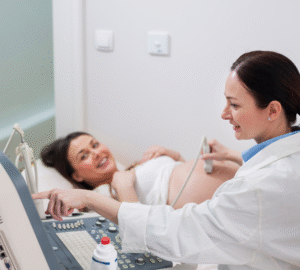
Picking a gynaecologist clinic near you is an important step for your health. Here are some main things to remember when searching for the best clinic.
Key Takeaways
- Ask your doctor, friends, or family for clinic recommendations.
- Check your insurance plan for covered clinics and doctors.
- Look for clinics that offer the services you need, like screenings or family planning.
- Read reviews and testimonials from other patients for honest feedback.
- Make sure you feel comfortable with the clinic’s staff and environment.
Finding Your Ideal Gynaecologist Clinic Near Me

Finding the right gynecologist is a big step in taking care of your health. It’s not always straightforward, but there are several ways to get started. Think of it like finding a good mechanic for your car – you want someone you trust and who knows what they’re doing.
Leveraging Your Healthcare Network for Recommendations
Your primary care doctor is often a great first stop. They know your overall health picture and can suggest specialists they trust. Don’t hesitate to ask them for a few names. Also, consider asking other healthcare professionals you see, like nurses or specialists in different fields. They might have insights into local practices.
Seeking Peer and Personal Testimonials
Sometimes, the best advice comes from people you know. Chatting with friends, family members, or even trusted colleagues about their experiences can be really helpful. You can ask them what they like about their gynecologist, what the clinic environment is like, and if they feel well-cared for. This kind of personal feedback can give you a real feel for a practice.
Utilizing Insurance Provider Resources
Your health insurance plan is a key resource. Most insurance companies have a website or a customer service number you can call. They can provide a list of in-network gynecologists in your area. This is important because it helps you understand which doctors are covered by your plan, potentially saving you a lot of money. You can often find and book appointments with gynecologists accepting your insurance through online tools like Zocdoc.
Exploring Local Hospital Physician Directories
Local hospitals often have directories of the physicians affiliated with them. This can be another good way to find gynecologists practicing nearby. You can usually find these directories on the hospital’s website. It’s a straightforward way to see who is practicing at facilities you might already be familiar with or trust.
Understanding Gynaecologist Specializations
When you’re looking for a gynecologist, it’s helpful to know that not all doctors focus on the exact same things. While every gynecologist is trained in women’s reproductive health, some have extra training or a particular interest in specific areas. This means you can find a doctor who is a perfect fit for your unique needs, whether you’re planning a family, dealing with a complex condition, or navigating a specific life stage. Think of it like finding a general contractor versus a specialist for your home – both are important, but one might be better suited for a particular job.
Navigating Reproductive Endocrinology and Infertility Services
For those facing challenges with getting pregnant, reproductive endocrinologists and infertility specialists are the go-to experts. These doctors have advanced training in the hormonal and reproductive systems. They can help diagnose the causes of infertility in both men and women and offer treatments like IVF (in vitro fertilization) or other assisted reproductive technologies. If you’re struggling to conceive, seeking out a specialist in this area can make a significant difference. You can often find these specialists through professional organizations dedicated to reproductive medicine.
Identifying Experts in High-Risk Pregnancies
Pregnancy is a journey, and for some, it comes with extra complexities. High-risk pregnancy specialists, often called Maternal-Fetal Medicine (MFM) specialists, are obstetricians with additional training. They manage pregnancies where there might be increased risks for the mother or the baby. This could include conditions like pre-existing diabetes or high blood pressure, or complications that arise during pregnancy. These doctors work closely with expectant parents to monitor the pregnancy closely and ensure the best possible outcomes. The Society for Maternal–Fetal Medicine has resources to help you find such a specialist.
Locating Specialists for Pelvic Floor and Urinary Tract Health
Issues like incontinence, pelvic organ prolapse, or pain during intercourse can significantly impact a woman’s quality of life. Urogynecologists, also known as female pelvic medicine and reconstructive surgery specialists, focus on these conditions. They are trained to diagnose and treat disorders of the pelvic floor and urinary tract. Treatments can range from physical therapy and medication to surgical interventions. The American Urogynecologic Society can be a good place to start looking for these specialized providers.
Finding Care for Gynaecologic Cancers
When it comes to gynecologic cancers, such as those affecting the ovaries, uterus, or cervix, specialized care is paramount. Gynecologic oncologists are surgeons who have completed extensive training in treating these specific types of cancer. They are skilled in surgical procedures, chemotherapy, and radiation therapy, and they work as part of a multidisciplinary team to provide comprehensive cancer care. If you or a loved one needs care for a gynecologic cancer, finding a gynecologic oncologist is a critical step.
It’s important to remember that your primary gynecologist can often be your first point of contact for many of these issues. They can perform initial assessments, provide basic treatments, and, most importantly, refer you to the right specialist if your condition requires more focused attention. Don’t hesitate to discuss any concerns you have, no matter how small they may seem.
Here’s a quick look at some common specializations:
- Reproductive Endocrinology & Infertility: Focuses on hormonal issues and fertility treatments.
- Maternal-Fetal Medicine: Specializes in high-risk pregnancies.
- Urogynecology: Addresses pelvic floor and urinary tract health.
- Gynaecologic Oncology: Treats cancers of the female reproductive organs.
Finding the right doctor means understanding these different areas of focus. A good OB-GYN can guide you through your options and help you find the specialist best suited for your health journey.
The Crucial Role of a Gynaecologist Throughout Life
Seeing a gynecologist is a choice that can shape your health for decades—you definitely shouldn’t put it off. Gynecologists look after all aspects of reproductive health, but their value goes way beyond annual checkups. They stand by you through every life stage, from the first sign of puberty to well past menopause.
Essential Gynaecologic Care from Puberty to Menopause
Transitions in a woman’s life—puberty, pregnancy, perimenopause—are often confusing and sometimes stressful. Your gynecologist helps you:
- Understand cycles and bodily changes during adolescence
- Manage reproductive and sexual health through adulthood
- Navigate menopause and address new symptoms as you age
This ongoing care helps spot and prevent issues early while providing support when hormones and health shift. For example, at puberty, a gynecologist can answer questions about periods. For adults, they offer guidance on contraception or fertility. Postmenopausal care often includes managing symptoms or screening for age-related conditions.
It’s completely normal to feel anxious about these appointments, but steady gynecologic care often makes every stage easier to manage, especially when things don’t feel quite right.
Preventive Screenings and Health Assessments
Preventive care is at the heart of what gynecologists do. Regular screenings can catch problems you had no idea were there—and sometimes before you have symptoms.
Common preventive screenings include:
- Pap smears (cervical cancer screening)
- Breast exams
- Pelvic exams
- Testing for sexually transmitted infections
| Screening | Starting Age | Frequency |
|---|---|---|
| Pap smear | 21 | Every 3 years (if normal) |
| HPV test | 30 | Every 5 years |
| Clinical breast exam | 20s-30s | Every 1-3 years |
| STI screening | Sexual onset | As needed |
These checks help identify issues like HPV or breast lumps, giving you a much better chance at quick recovery if something’s wrong. Gynecologists can also guide you to other professionals when your needs overlap, such as when pregnancy or childbirth comes into play—obstetricians, for example, focus on that area (difference between gynecologists and obstetricians).
Addressing Reproductive Health Concerns
Life is full of unexpected health twists. That’s where a gynecologist really makes a difference.
Gynecologists handle everything from the everyday to the complex:
- Period problems (heavy bleeding, cramps, irregular cycles)
- Pelvic pain or pressure
- Fertility concerns
- Menopausal changes
- Infections or strange discharge
- Lumps or changes in the breasts, vulva, or vagina
If you’re experiencing sudden changes—pain during sex, bladder issues, or even questions about postpartum recovery—many clinics, like Karthika Woman and Child Care, focus on specific recovery and treatment options for women at all stages.
You don’t need to wait for a crisis before making an appointment. Gynecologists provide answers, reassurance, and help, whether you’re considering birth control, planning a family, or dealing with unexpected pain. Regular check-ins help you stay in control of your health as life’s demands and your body continue to change.
Key Services Offered by Gynaecologist Clinics
When you pick a gynaecologist clinic, understanding their main services makes a huge difference in your care. From regular check-ups to managing complex health needs, these clinics handle a lot, and what they cover can change how you feel about scheduling visits. Here’s what you should expect most clinics to provide:
Comprehensive Gynaecologic Examinations
Routine exams are the backbone of women’s health. These check-ups usually include breast, pelvic, and external genital exams, sometimes paired with Pap smears and HPV testing. A thorough exam helps find issues early, making treatment more straightforward.
At many clinics, your visit might include:
- Collection of personal health history
- Physical breast and pelvic exam
- Pap test (as needed)
- Checking for infections or abnormal growths
An annual visit offers more than just a chance to check off a health box—early detection is often the simplest path to peace of mind.
Family Planning and Contraception Guidance
Family planning is more than just birth control—it’s about making informed decisions about when or if you want children. Gynaecologists discuss options tailored to your body and life plans, covering everything from pills and implants to long-acting devices or natural methods. If you’re thinking about growing your family or waiting a little longer, these conversations matter.
A typical visit might cover:
- Discussion of different contraception types
- Personalized recommendations
- Instructions on correct use
- Counseling about side effects and follow-up steps
If you’re curious about modern approaches, some clinics also help with minimally invasive procedures that might tie into your reproductive plans.
Diagnosis and Management of Gynaecologic Conditions
Gynaecologist clinics identify and treat all kinds of conditions affecting the female reproductive system. This includes menstrual disorders, pelvic pain, endometriosis, ovarian cysts, PCOS, and uterine fibroids. Treatment might be as simple as prescribing medication or could involve outpatient procedures.
Here’s a comparison of conditions commonly managed at a clinic:
| Condition | Typical Approaches |
|---|---|
| PCOS | Lifestyle, Medication |
| Endometriosis | Medication, Surgery |
| Uterine Fibroids | Monitoring, Removal |
| Ovarian Cysts | Observation, Surgery |
Screening for Sexually Transmitted Infections
Regular STI screening is recommended for women of many ages and backgrounds—especially if you have new or multiple partners. Clinics make this process easy to talk about and handle, offering a judgment-free zone. STI screening not only protects you, but it can also shield your partner’s health.
Expect the following in most clinics:
- Confidential testing for common STIs
- Fast, clear results
- Counseling on next steps and prevention
For more details, some clinics also have a strong focus on preventive screening and support if you’re unsure about the right steps for your situation.
In the end, the key services your gynaecologist offers lay the groundwork for lifelong health, support in sensitive times, and reliable answers to the questions you might be too embarrassed to ask anywhere else.
Choosing a Gynaecologist Clinic: What to Consider
When you’re looking for the right gynecologist clinic, it’s not just about whoever is closest. Making this call can actually shape a big piece of your health for years ahead. Below, I’ve broken down some things that really matter, so you don’t get lost in the maze of options out there.
Evaluating Provider Qualifications and Experience
The background of your gynecologist matters just as much as their bedside manner. Look for board certification and years in practice. If you have a particular concern—maybe you’re thinking about pregnancy soon or already have a diagnosed condition—see if the doctor has experience in those areas. Here’s a quick table that can help you compare clinicians:
| Criteria | Questions to Ask |
|---|---|
| Certificate | Are they board certified? |
| Experience | How many years in practice? |
| Sub-specialty | Do they focus on any area? |
| Patient Reviews | Are ratings mostly positive? |
| Hospital Affiliation | Where do they admit patients? |
If you want a more step-by-step guide, see these five key factors to evaluate when picking a provider.
Assessing Clinic Environment and Patient Care Philosophy
What’s it like inside the clinic? You might think this doesn’t matter much, but a welcoming and organized clinic can make tough discussions around female health a lot easier.
- Is the staff attentive and respectful?
- Does the waiting area feel comfortable?
- Are privacy and confidentiality taken seriously?
- Is information provided in plain English?
Sometimes the smallest touches—like a receptionist who remembers your name or a nurse who explains what’s next—can change how you feel about appointments. Trust your instincts about a place.
Understanding Insurance and Payment Options
Before you book, you should double-check that the clinic accepts your insurance plan. Even in emergencies, you don’t want to be caught off-guard. Clinics should be upfront about costs and how billing works. Sometimes, practices will even assign a staff member to walk you through payment plans or out-of-pocket expenses.
- Confirm the clinic is in-network with your insurance
- Ask about copays or extra fees
- Learn what payments are required up front
For folks planning childbirth or those with ongoing conditions, asking about coverage for specific care, medications, or even pain management can be wise. Here are some important questions to ask about insurance and hospital policies before deciding.
Remember, picking your gynecologist’s clinic is personal. Try to visit in person if you can, ask all your questions, and give yourself permission to be picky—after all, your health is worth it.
Specialized Gynaecologic Care Options

Expertise in Gynaecologic Oncology
When it comes to cancers affecting the female reproductive system, like those of the ovaries, uterus, or cervix, specialized care is really important. Gynaecologic oncologists are doctors who have extra training in diagnosing and treating these specific types of cancer. They work with a team to figure out the best treatment plan, which might involve surgery, chemotherapy, or radiation. It’s about getting the most focused care possible for a serious condition.
Minimally Invasive Surgical Techniques
Many gynaecologic procedures used to require larger incisions, meaning longer recovery times. Now, there’s a big shift towards minimally invasive surgery. This often involves using small incisions and specialized tools, sometimes with the help of cameras (laparoscopy) or robotic systems. The goal is to achieve the same results with less trauma to the body. This can mean less pain, shorter hospital stays, and a quicker return to daily activities. If surgery is recommended, it’s worth asking if these techniques are an option for your situation.
Pediatric and Adolescent Gynaecology
Young girls and teenagers have unique health needs. Pediatric and adolescent gynaecologists are trained to address issues specific to this age group. This can include things like irregular periods, early puberty, pelvic pain, or concerns about reproductive health development. They create a comfortable and understanding environment for young patients and their families. Finding a doctor who understands these specific concerns is key for early women’s health.
Menopause Management and Geriatric Gynaecology
As women go through menopause and into their later years, their health needs change again. Menopause management focuses on easing symptoms like hot flashes, mood changes, and sleep disturbances, often through hormone therapy or other treatments. Geriatric gynaecology looks at the ongoing reproductive health needs of older women, which can include issues like pelvic floor support, urinary incontinence, and bone health. It’s about maintaining quality of life and addressing age-related changes with tailored care. Dr. Emily Nacy, for example, is known for her work in comprehensive women’s healthcare across all life stages.
Conclusion
Finding the right gynaecologist clinic near me can feel like a big task, but it’s worth the effort. A good clinic will support you through every stage of life, from your first period to menopause and everything in between. Ask around, check online, and don’t be afraid to call clinics with your questions. Your comfort and trust matter most. Remember, regular visits help keep you healthy. Take your time, and choose a clinic that feels right for you.
Frequently Asked Questions
What does a gynaecologist do?
A gynaecologist is a doctor who helps with women’s health, especially the reproductive system. They check things like periods, pregnancy, and menopause.
When should I see a gynaecologist for the first time?
Most girls should see a gynaecologist between ages 13 and 15, or when they start having questions about their period or body changes.
How do I find a good gynaecologist clinic near me?
Ask your regular doctor, friends, or family. You can also check your insurance website or look at online reviews.
What should I bring to my first appointment?
Bring your ID, insurance card, a list of medicines you take, and any questions you have about your health.
Do I need a referral to see a gynaecologist?
Usually, you don’t need a referral. But some insurance plans might ask for one, so check before you make an appointment.
What kinds of problems can a gynaecologist help with?
They can help with period problems, birth control, pregnancy, infections, and check-ups to catch health issues early.